Trail Moments: A Couple Rides 50 Miles in 50 States
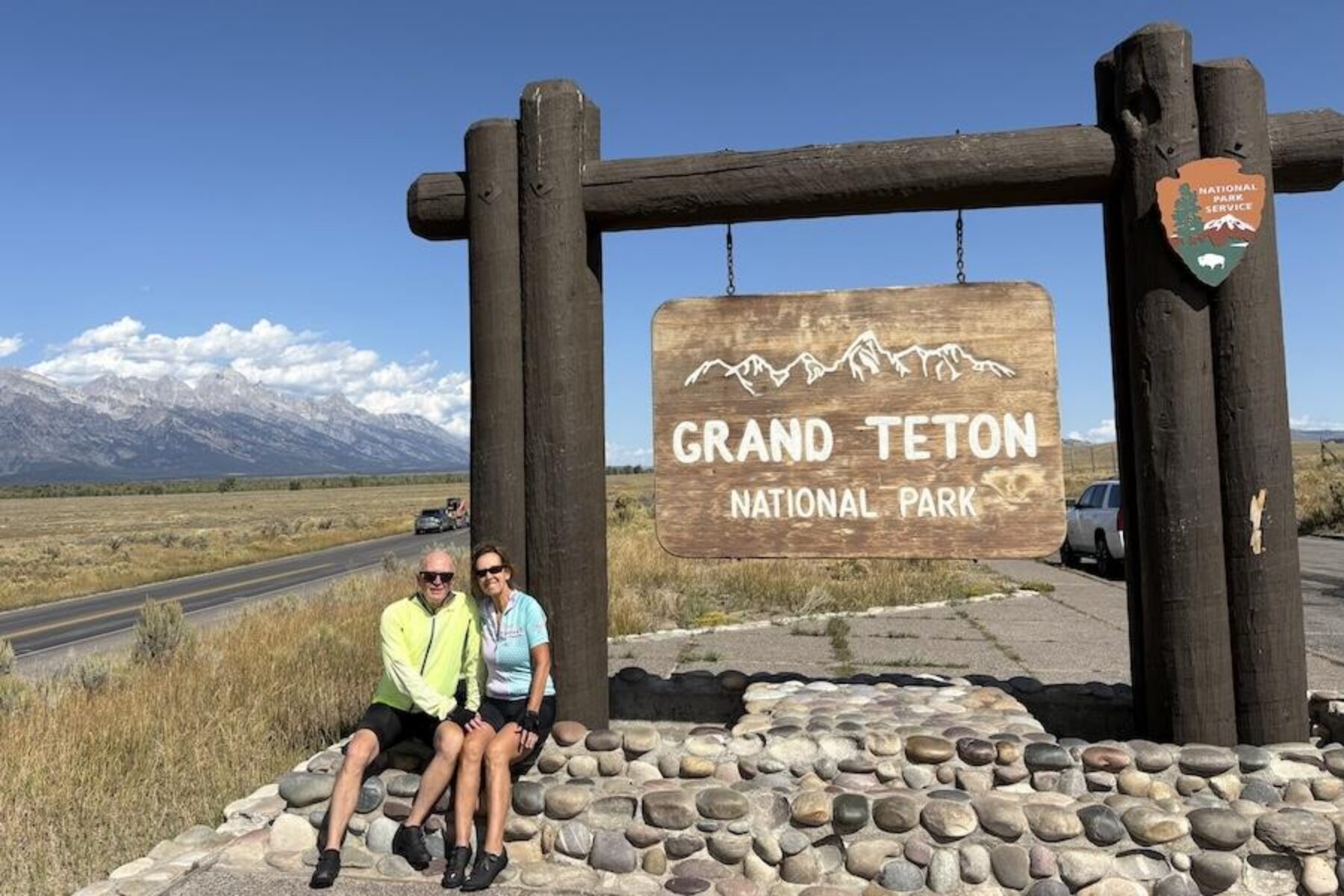
My wife and I enjoy bicycling together and had taken many 50-plus-mile rides both as part of organized groups and on our own so, when we were challenged in a marriage class at church to “do something BIG together,” it didn’t take us long to come up with an idea. Since we also like to travel, the thought of riding 50 miles in all 50 states sounded like a fun goal.
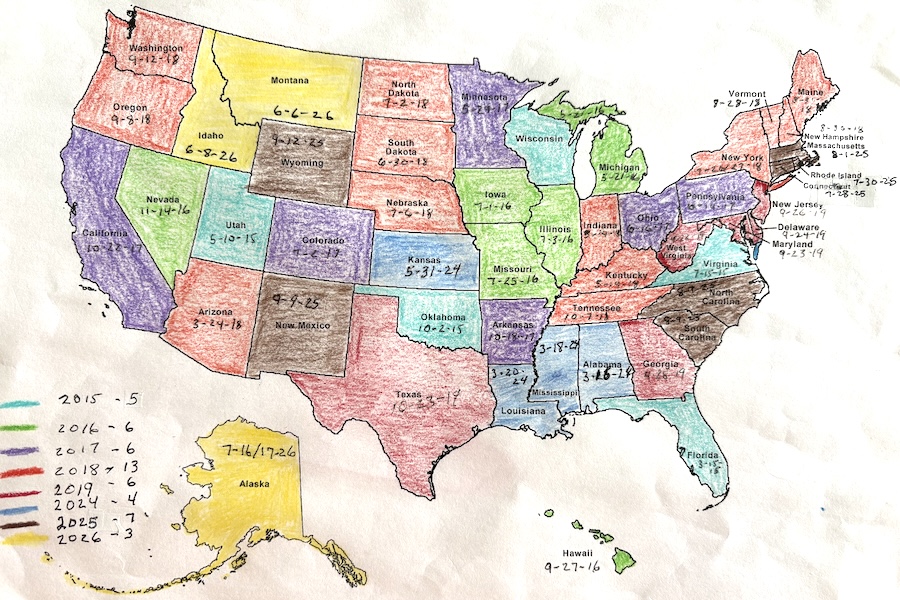
We took our first ride in Florida in 2015, and our last ride in Alaska in 2026. Thirty-six of our rides were rail-rails, four were in national parks and the rest were on rural roads. Just about all our rides were 25-mile out-and-back excursions and, with road bikes, we looked for routes with paved surfaces. Initially, it was easy and efficient to visit states close to our home in Wisconsin, but as we crossed nearby states off our list, we needed more time to travel to the next one. The most states we managed in a single year was 13.
We would plan a route and pack our minivan with bikes, gear and suitcases. The van provided protection from the weather and allowed us to safely leave the bikes locked inside when we stayed at hotels. We rested a day in between rides and used that day to travel to the next ride or visit sites along the way.
Experiencing America by Bike
On our adventures, we were surprised at the beauty of our country. It is “America the Beautiful,” and we found that the enjoyment of biking is being able to see and hear things up close and at a slower speed than in a car. Having ridden so many wonderful trails, it’s hard to pick out a single favorite, so below are our top four.
North Pathway (Wyoming)
The Grand Tetons are on the west side of the valley, and the North Pathway—being in the shadows of this magnificent mountain range—was awe inspiring. We rode the trail through Grand Teton National Park, plus the trails around Jenny Lake and the roads east of the trail to increase our mileage to reach our goal of 50.
Colorado National Monument (Colorado)
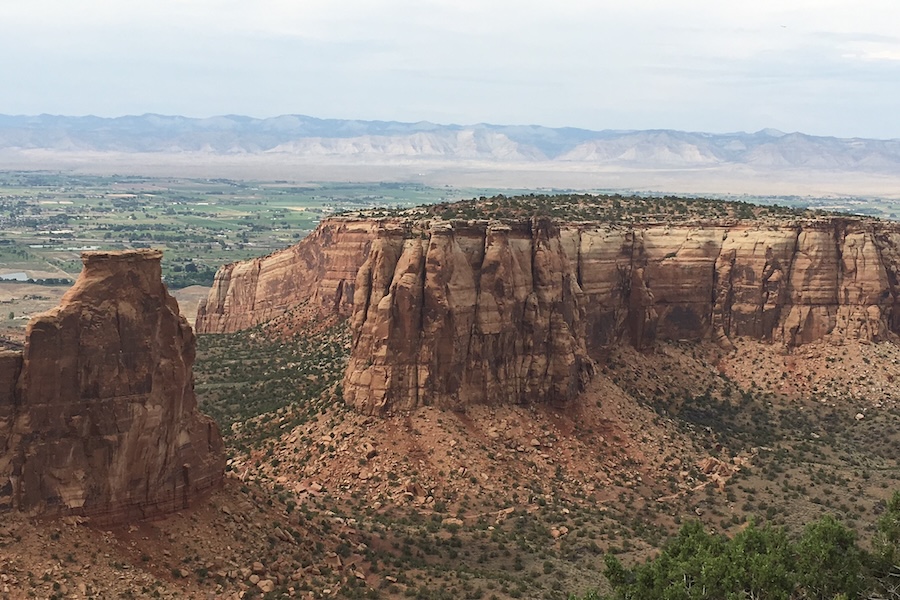
Just outside of Grand Junction in western Colorado, we visited the Colorado National Monument. The monument can be approached from a steep side or a longer, more gradual side. A local bike shop recommended taking the steep ride and the scenery was spectacular!
Trail of the Coeur d’Alenes (Idaho)
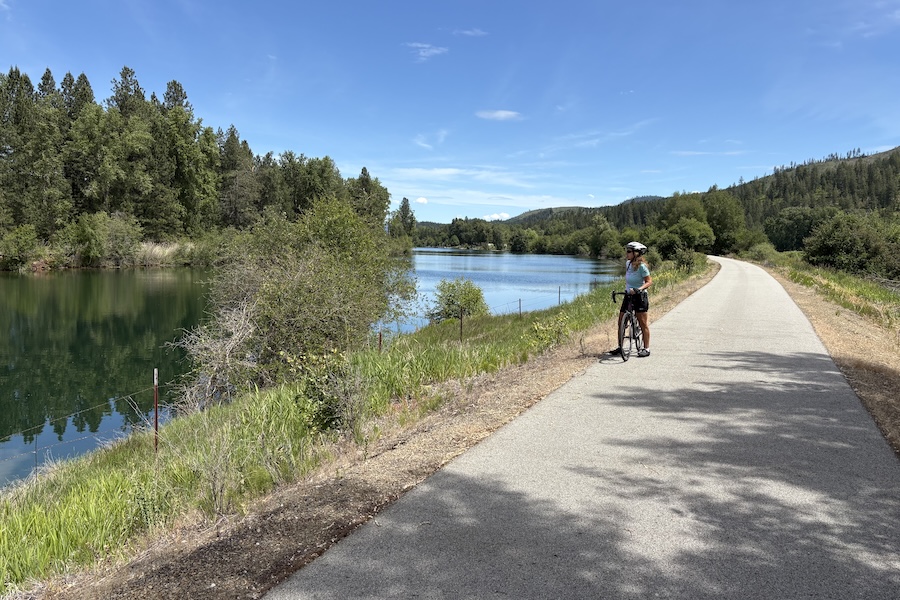
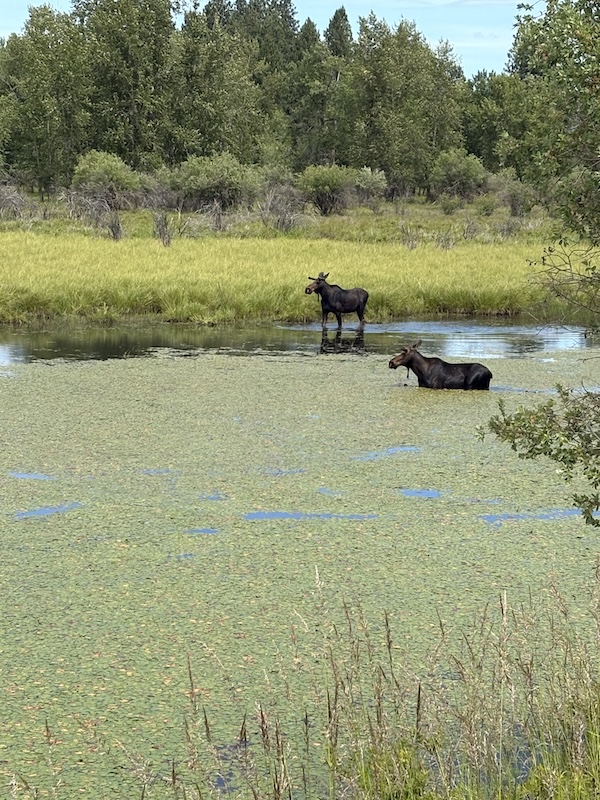
This was the next-to-last trail we tackled, and we rode Idaho’s Trail of the Coeur d’Alenes from Cataldo to Harrison and back. There was beautiful scenery with water, trees and wildlife, and being on a trail meant we didn’t have to stop for any vehicles, which is always a treat. Over a great lunch in Harrison, we got a little emotional thinking that we had only one more ride remaining.
Tony Knowles Coastal Trail (Alaska)
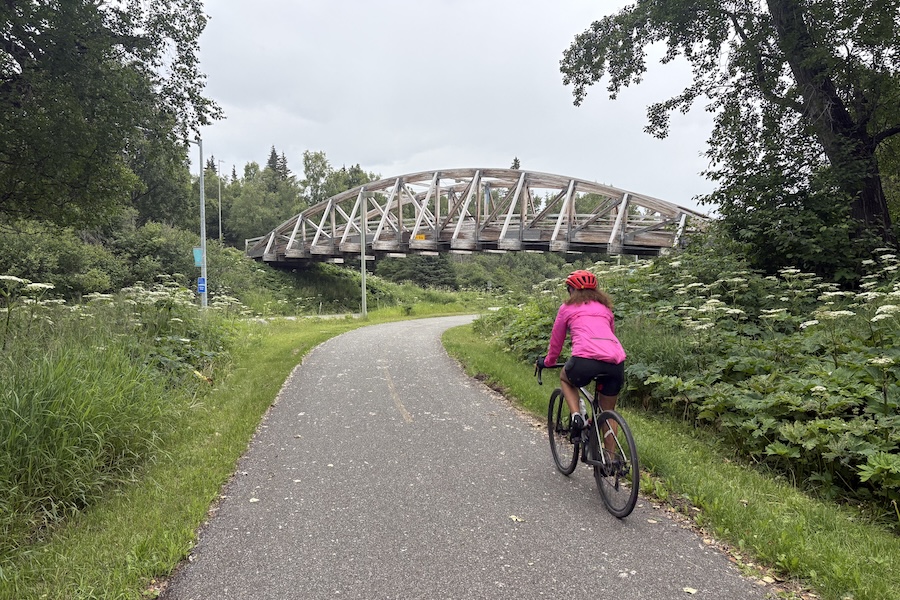
In Anchorage, we rode the Tony Knowles Coastal Trail, Ship Creek Trail and Campbell Creek Trail, as well as connecting roads. Despite cool temps and a steady drizzle, the thought of finishing our final state kept us going. On our second day, our adult children, their spouses and our grandchildren all joined us for the last 14 miles in a celebratory ride. To reward ourselves, we also followed this final state with a seven-day cruise to Vancouver.
Lessons Learned
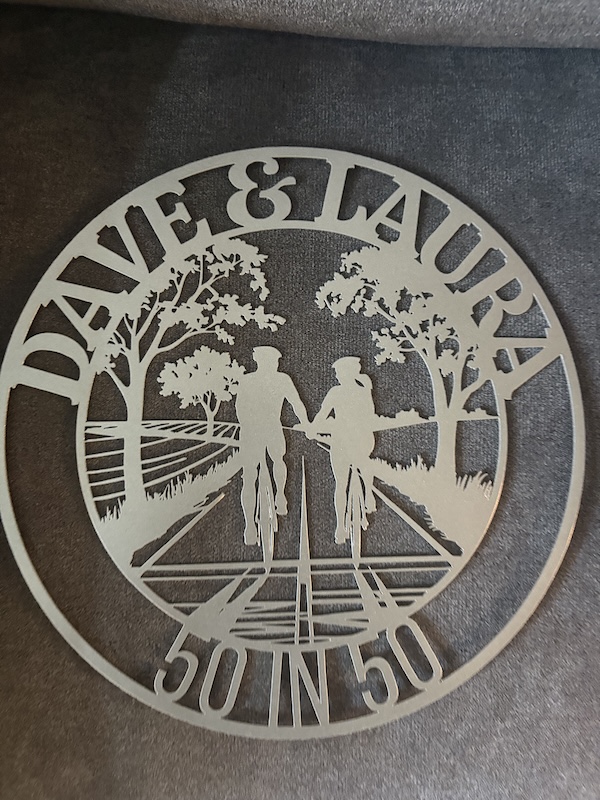
Accomplishing this goal has been an inspiration to our friends and family and, over the course of 2,500 miles, we learned a lot.
When we started our adventure, Laura’s bike was much lighter and more efficient than David’s, making it hard to keep pace with each other. We bought a new bike for David with similar frame materials, shifter, sprockets and derailleur systems, and just like that, we were able to ride together. Keeping the bikes tuned up is also vital, as is carrying the equipment to change flats and to pump up tires.
We learned to stay flexible when things don’t go as planned. Construction detours or trail closures were disappointing and we had to adapt. When we were riding in Buffalo, New York, for example, the trail signage was so confusing that we didn’t make it past the halfway point on our first day. We had to adjust our plans and make up the shortfall on our second day.
Having taken more than 200 hours to complete our challenge, we’ve thought about how it impacted our relationship, too. Biking is a lifestyle for us—we ride almost daily—and we have both enjoyed the health benefits it brings. We are committed to the “movement is medicine” idea. We like to bike, swim, hike and stay active. In 2025, Laura was scheduled to have a hip replaced and, two weeks before that, David suffered a torn meniscus. The thought of not being able to continue the last 10 states was a concern, but we continued to train, and our legs kept getting stronger as we rode.
We also finished each ride with a kiss. That’s one of the main reasons to finish a ride!
Donate
Everyone deserves access to safe ways to walk, bike, and be active outdoors.
Related
View All
Illinois’ Bloomingdale Trail: October 2026 Trail of the Month
A Pathway to Wellness: Exploring Trails as Lifelines for Mental Health