Best Of: Game-Changing Rail-Trails You May Not Know About
Anyone already familiar with the term “rail-trail” likely knows about the A-listers: the Great Allegheny Passage (gaptrail.org) with its plethora of Instagram-worthy trestles and tunnels, the Katy Trail that crosses Missouri and ranks as the longest continuous rail-trail in the nation, or perhaps the Midwestern duo that sparked the modern rail-trail movement in the 1960s, the Elroy-Sparta State Trail and the Illinois Prairie Path.
But there are many trails around the United States that—while maybe lesser known on a national scale—have made a huge impact on people and communities. Below we’ve outlined some of our favorites.
This article was originally published in the Winter 2026 issue of Rails to Trails magazine and has been reposted here in an edited format. Subscribe to read more articles about remarkable trails while also supporting our work.
Northern Rail Trail (New Hampshire)
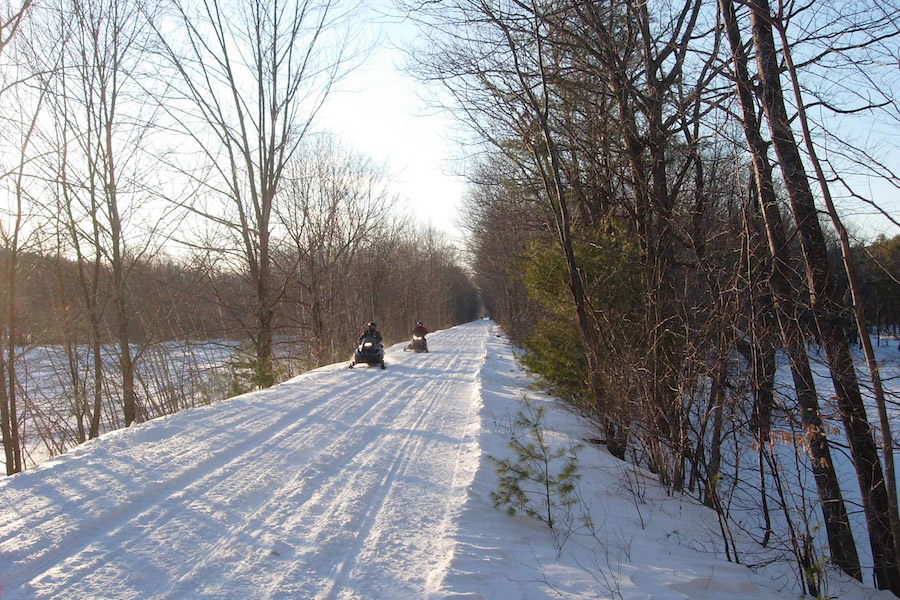
The Northern Rail Trail—constructed through the dedication of hundreds of volunteers—is an inspiring tale of what can be accomplished at the grassroots level. Local snowmobile clubs supported its development, as did two “friends of the trail” groups that sprang up in the pair of counties the trail spans. The showstopping trail is now a source of community pride, traversing forested terrain and marshlands with views of sapphire blue lakes and remnants of the route’s railroad heritage.
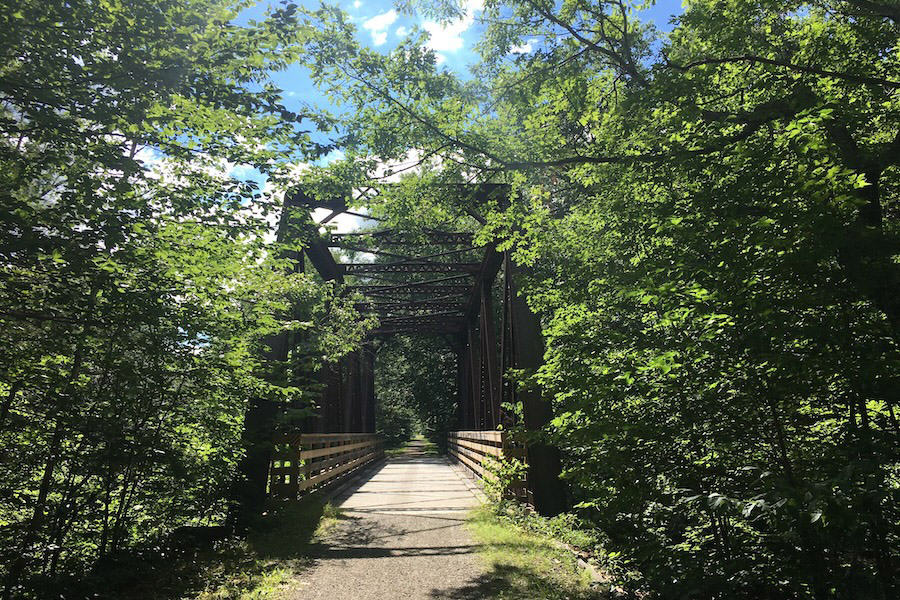
After three decades of effort, supported by multiple Recreational Trails Program grants, the 59-mile pathway is New Hampshire’s longest rail-trail and enhances regional connectivity further as part of the statewide Granite State Rail Trail and the developing New England Rail-Trail Network connecting six states.
Charlotte Rail Trail (North Carolina)
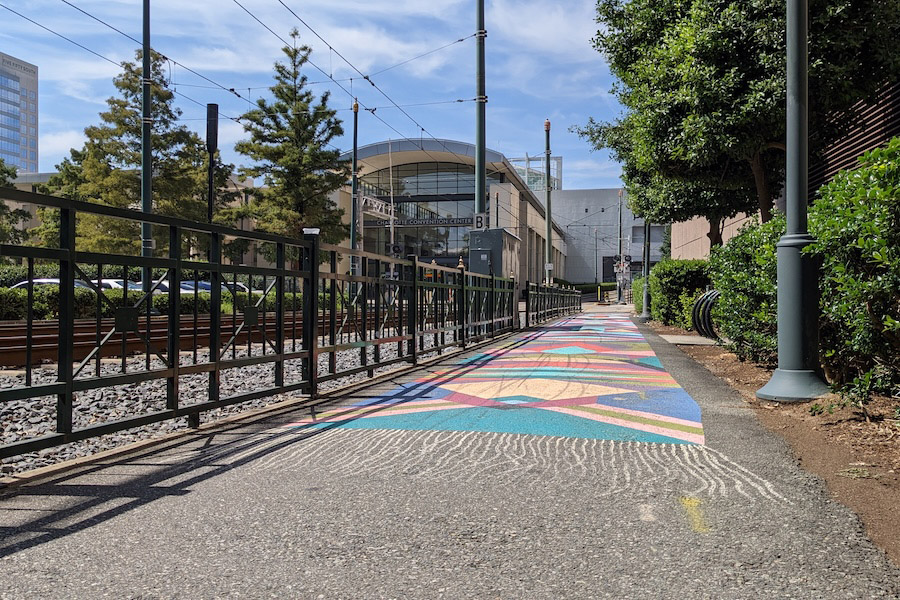
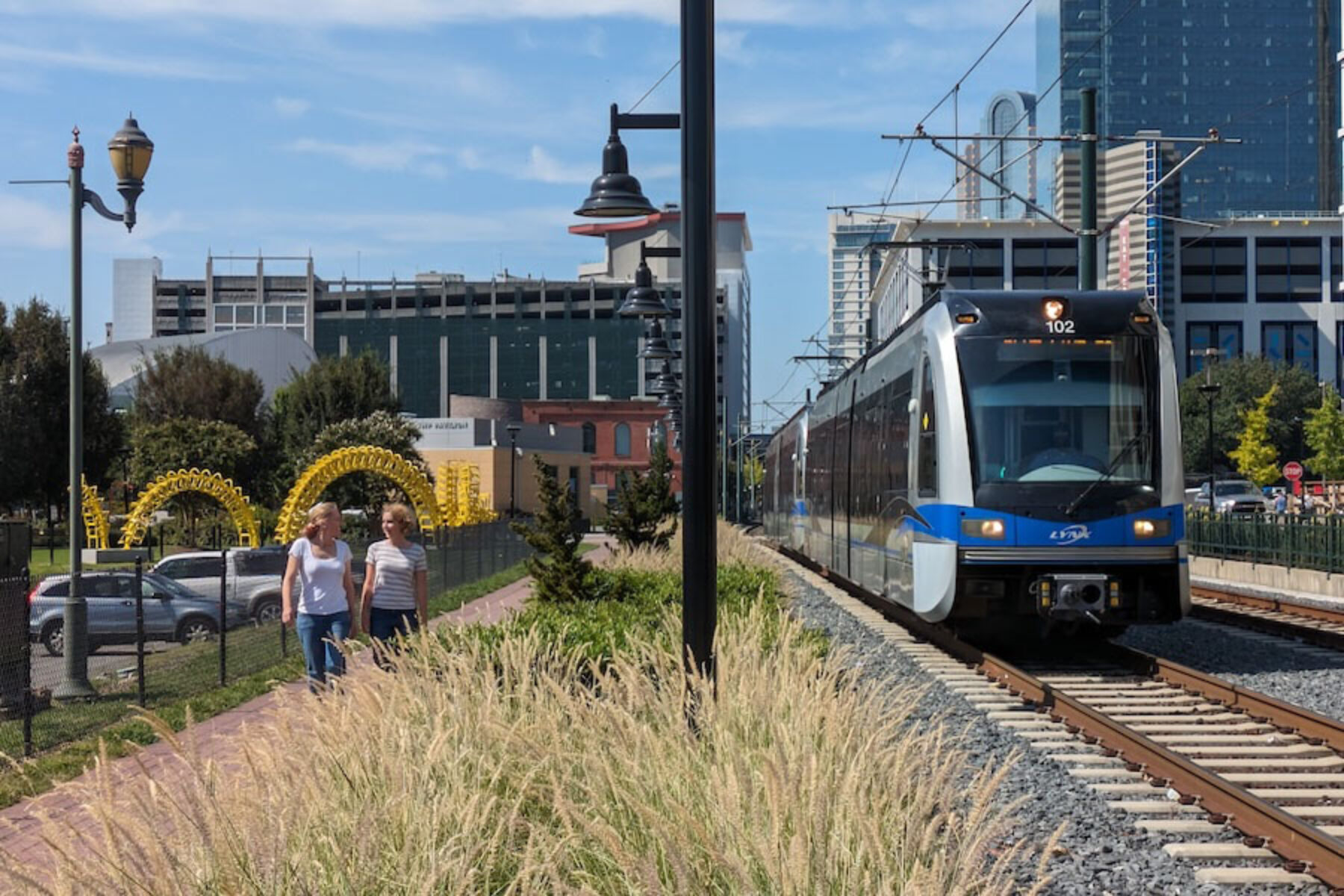
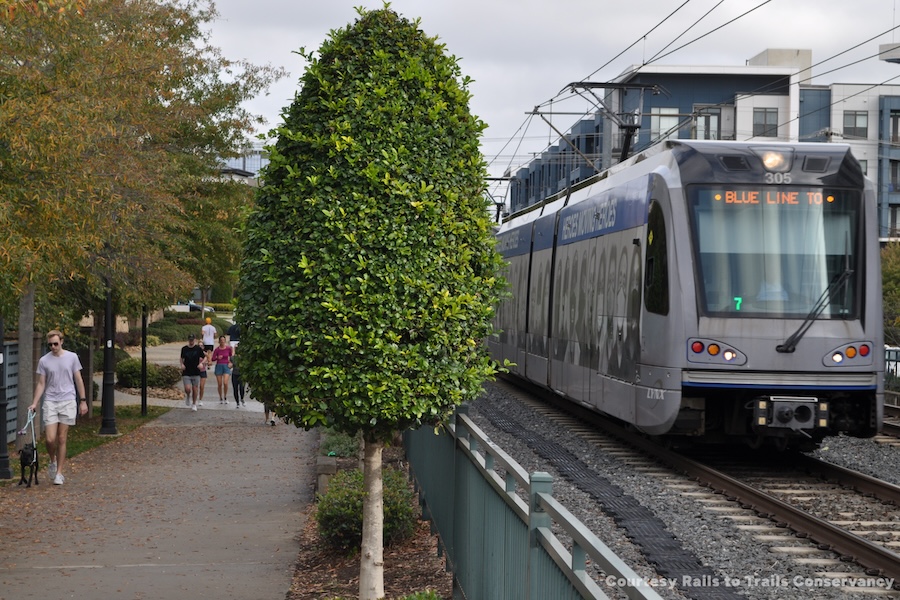
In the heart of North Carolina’s largest city, the Charlotte Rail Trail is the epitome of a rail-with-trail. Paralleling the city’s LYNX Blue Line, the 3.5-mile pathway provides access to a handful of rail stations, and people on bikes can take their wheels on the train, enabling more flexibility and options for commuting and transportation. As of 2025, there are approximately 450 such rails-with-trails in the United States.
Rails-with-trails can be especially useful in urban environments where space is at a premium and can serve as catalysts for converting industrial corridors into vibrant community assets. A standout feature of the Charlotte Rail Trail is its ever-revolving series of public art pieces, including sprawling murals, colorful sculptures and interactive light installations.
St. Anthony Falls Heritage Trail (Minnesota)
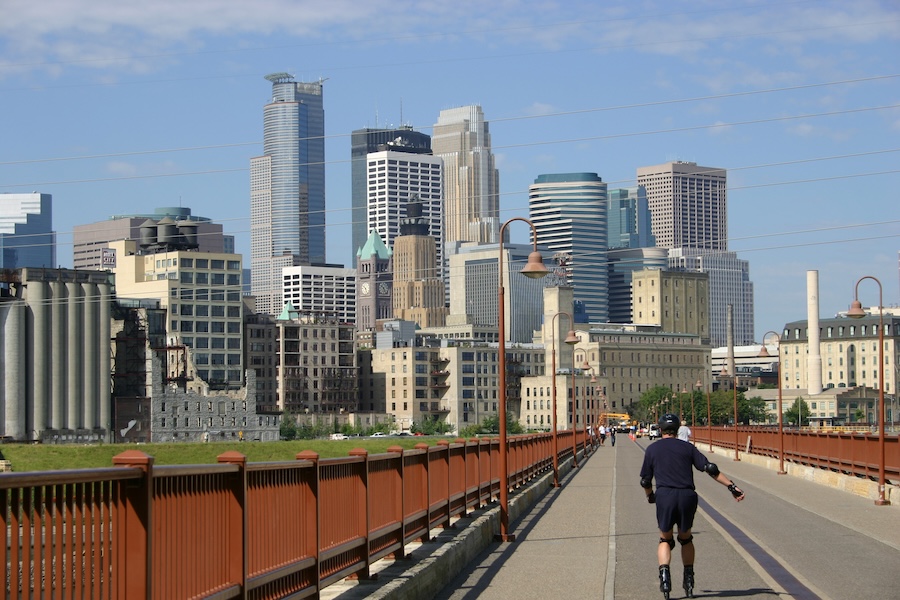
Built in 1883 for the Great Northern Railroad, the St. Anthony Falls Stone Arch Bridge consists of 23 arches made from native granite and limestone. At the time, its namesake waterfall powered Minneapolis’ reputation as the “Flour Milling Capital of the World.” Today, this crossing over the Mississippi River serves as a key link in the St. Anthony Falls Heritage Trail in central Minneapolis.
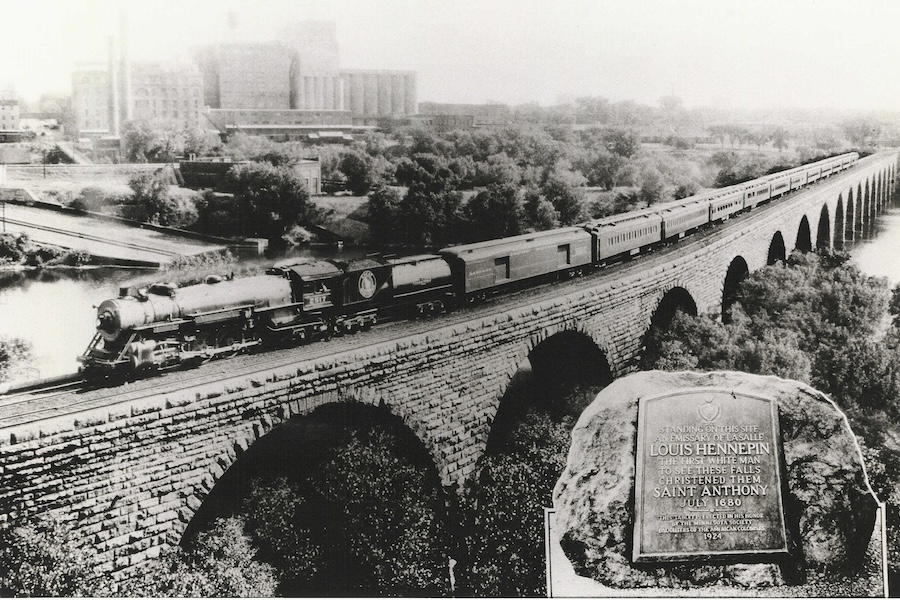
The unique bridge, designated a National Historic Civil Engineering Landmark, was transformed into a pedestrian and bicycle path in the 1990s, thanks in part to a $2 million grant through Transportation Enhancements (now known as Transportation Alternatives, or TA). It now serves as a shining example of how federal programs and historic preservation combined can also deliver numerous other benefits—from health and active transportation to recreation and community. Championed by Rails to Trails Conservancy, TA has been the largest source of federal funding for trails and active transportation for more than three decades.
Silver Bow Creek Greenway (Montana)
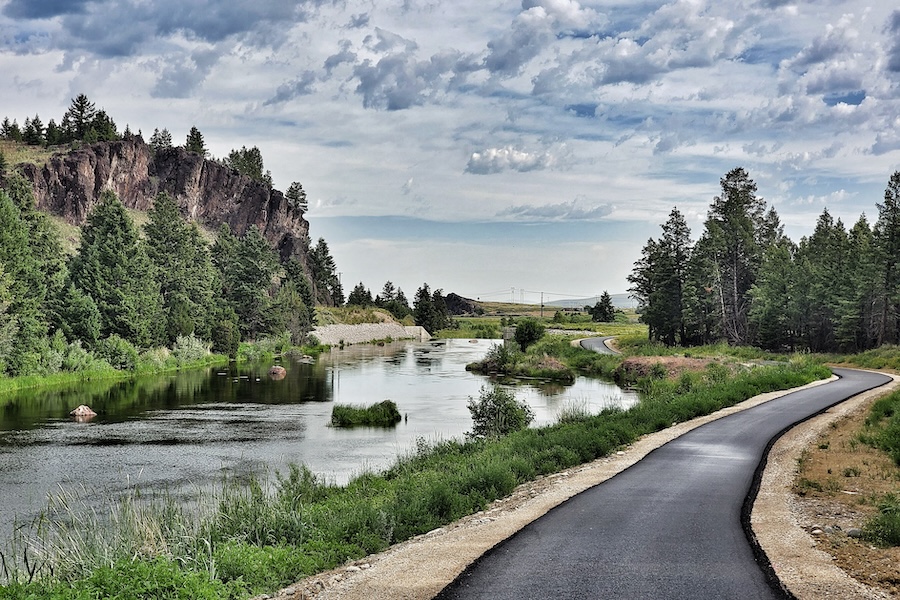
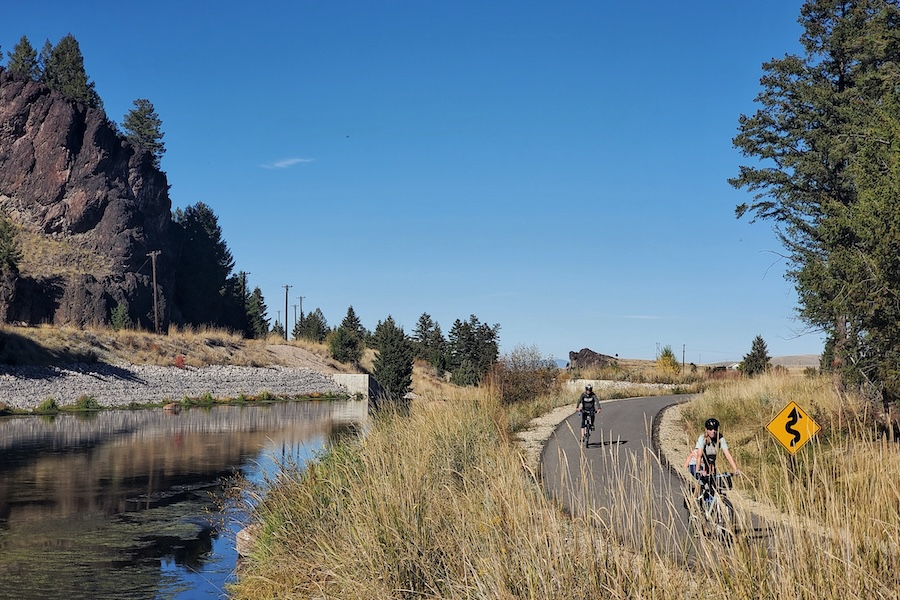
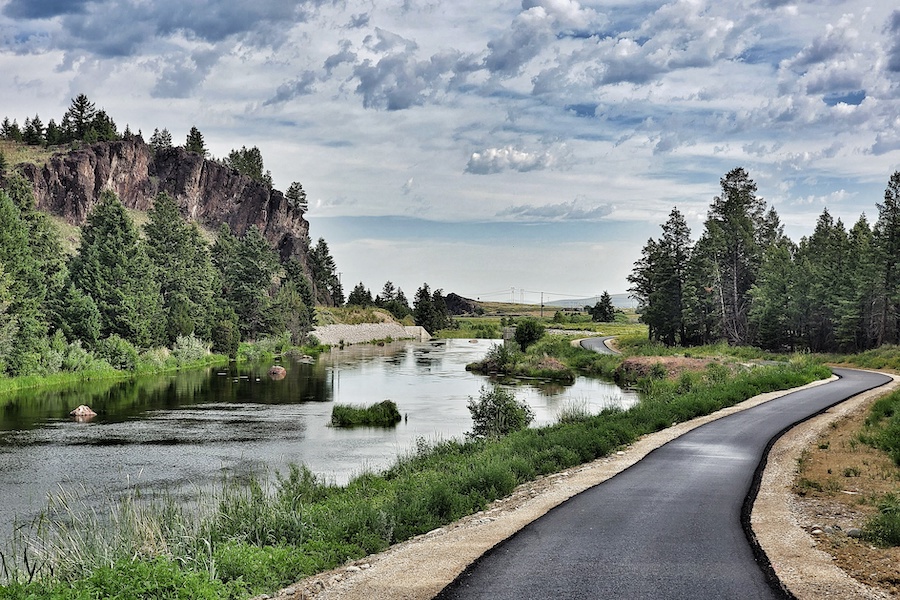
Once a toxic wasteland from more than a century of heavy mining use, Butte’s Silver Bow Creek has been transformed after decades of remediation efforts stemming from an EPA Superfund designation in 1983. The waterway and its surrounding environs now thrive with wildlife such as trout, bald eagles, waterfowl, deer, foxes and beavers. The rail-trail along its banks is part of that restoration project, one of the largest of its kind, reconnecting residents with a river they were once cut off from and providing access to this scenic gem nestled in a mountain valley.
J. Manley Robbins Trail (Pennsylvania)
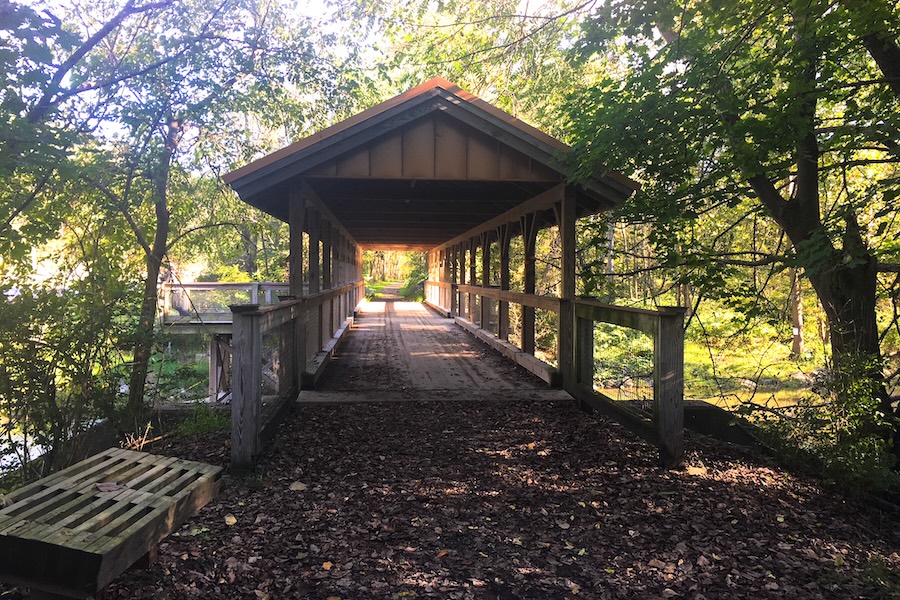
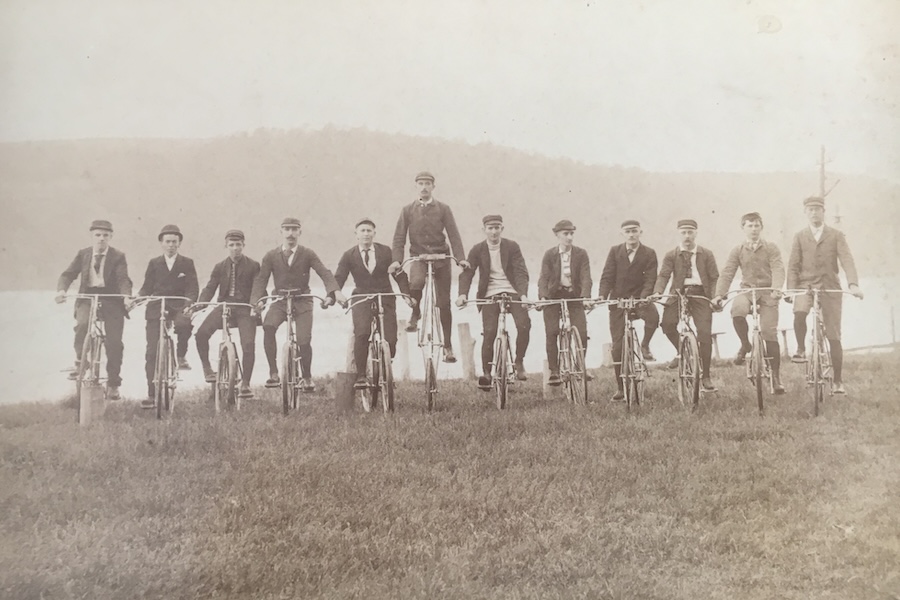
Pennsylvania’s J. Manley Robbins Trail, enjoyed by the Danville Bicycle Club during the 1890s, is the oldest known rail-trail in the United States. Ahead of their time—rail-trails would only quietly and slowly start popping up over the coming decades—the group even sold memberships for the trail’s operation and maintenance. Following a former narrow-gauge railroad bed used by the Montour Iron Works in the 1840s, the hard-packed gravel pathway winds along Mahoning Creek and through the Hess Recreation Area in the woodlands northwest of Danville’s downtown.
Iron Horse Regional Trail (California)
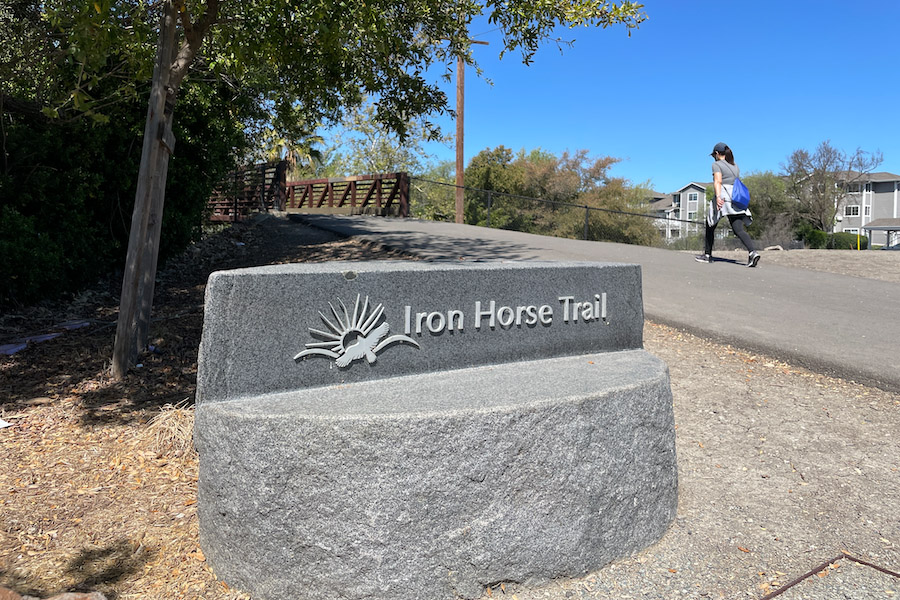
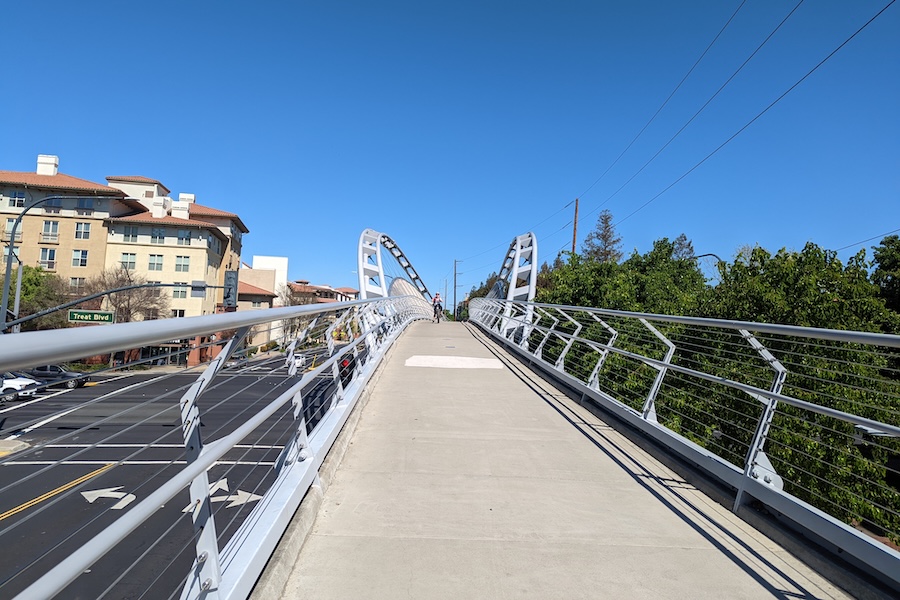
Established in 1986, Northern California’s 32-mile Iron Horse Regional Trail—one of the region’s largest and oldest multiuse trails—helped lay the groundwork for the Bay Area Trails Collaborative’s vision to develop a 2,675-mile system of trails connecting the San Francisco Bay Area. Loosely paralleling Interstate 680, the rail-trail is also a key component of the area’s transportation system, providing an important alternative to the region’s infamously congested roads and highways and offering access to buses and the Bay Area Rapid Transit system.
Donate
Everyone deserves access to safe ways to walk, bike, and be active outdoors.