Best Of: Trailside Sites That Encapsulate America’s History
Rail-trails are history stories we can literally travel through: a collection of former train corridors crisscrossing America that were once the backbone of industry and now offer us a front-row seat to the past. These fascinating routes help highlight the narratives of many notable events and people—both immortalized in history books and hidden from the limelight—that enlighten our understanding of the struggles and successes of those who came before us. Here, we take a look at five sites along trails that help to tell the story and expand our appreciation of our nation’s diverse and rich history.
Maryland’s Star-Spangled Banner Flag House
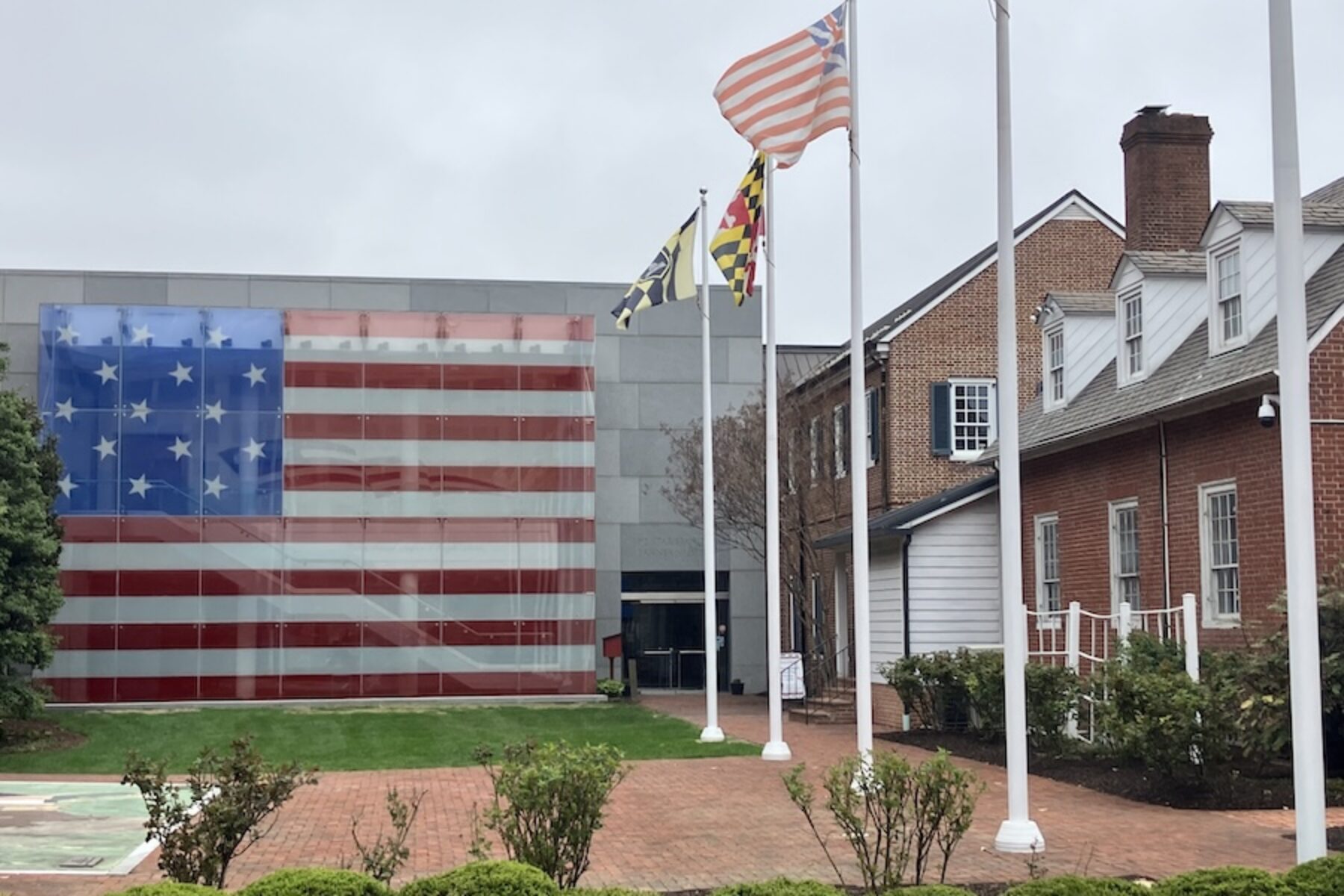
On Sept. 13, 1814, the night sky was ablaze with rockets and mortars as British forces bombarded Fort McHenry from their ships in Baltimore Harbor for 25 hours. At dawn the following morning, American troops raised a massive 30-foot-by-42-foot garrison flag made by Mary Young Pickersgill, who owned a nearby Federal-style brick row house where she lived and worked. The hand sewn flag looked very different from today’s version, with 15 stripes and 15 stars representing the 15 states in the Union at that time. Inspired by the sight of the flag still flying, Francis Scott Key penned the poem that became “The Star-Spangled Banner.”
The Star-Spangled Banner Flag House and museum stands as a testament to this moment at East Pratt Street and Albemarle Street. It is accessible from the 12-mile Jones Falls Trail, which is part of the 70-mile Baltimore Greenway Trails Network. Traveling south toward the harbor, turn east (left) near Shot Tower Station on Presidents Street and continue roughly 300 feet to Albemarle Street. Turn right (south) and follow it for 0.2 mile to the site. Fort McHenry, about 3.5 miles away, remains on the south side of the Patapsco River’s Northwest Branch.
Pennsylvania’s Independence Hall and the Liberty Bell
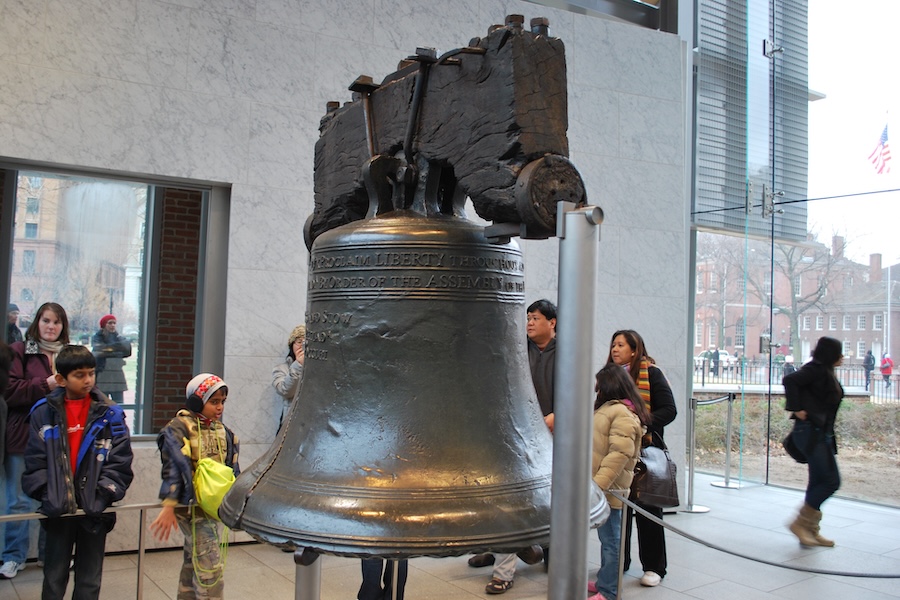
The Pennsylvania State House bell, better known as the Liberty Bell, earned its name when abolitionists in the 1830s adopted it as a symbol of their cause to end slavery. When the bell was cast in 1751, the Pennsylvania Assembly chose the inscription, “Proclaim Liberty Throughout All the Land Unto All the Inhabitants Thereof,” long before its iconic representation.
Near the Liberty Bell in Liberty Bell Center, you can walk across the open lawns of Independence Mall and Market Street to immerse yourself in the foundation of the nation at Independence Hall. This brick Georgian-style structure was completed in 1753, making it more than 270 years old and predating the country. Visitors can see where the Declaration of Independence and Constitution were hotly debated under the watchful gaze of George Washington from his famous “Rising Sun” chair, which featured an emerging sun carved into the crest rail.
The area is best reached via the Ben Franklin Bridge walkway, part of the 850-miles-plus Circuit Trails network, which offers exceptional skyline views before descending into Old City. From the western end, head south for just over three blocks to reach Independence Hall. From the Delaware River Trail, Market Street provides a clear, direct inland route, 0.4 mile to Independence Hall.
Utah’s Golden Spike National Historical Park
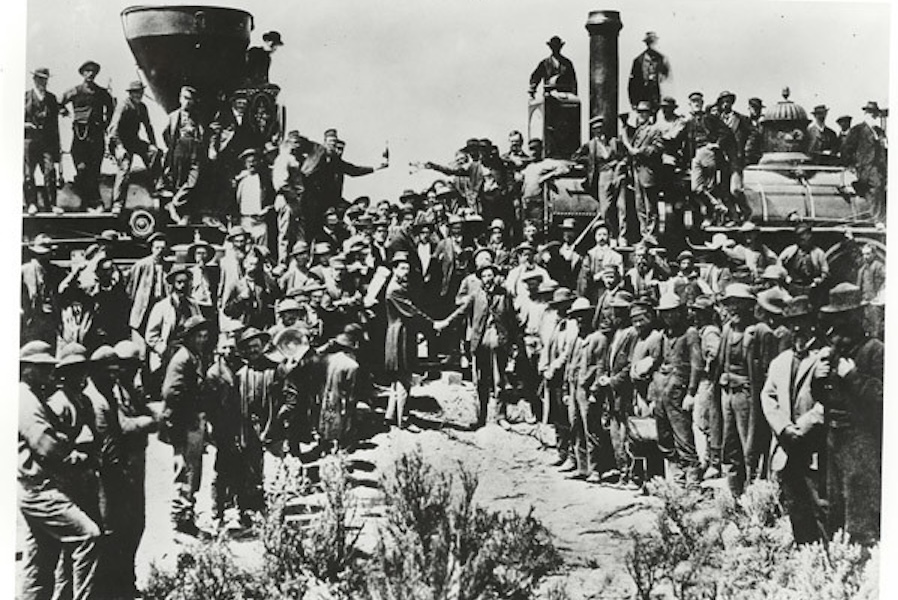
On May 10, 1869, at Promontory Summit, the Central Pacific Railroad and Union Pacific Railroad celebrated the completion of the nation’s first transcontinental railroad. Two locomotives faced each other, and with fanfare, a laurel wood tie was placed to join the tracks and four ceremonial spikes were tapped into it. A telegraph wire was attached to the spike, so when struck, it sent the message “DONE” across the country.
The Golden Spike National Historical Park is a railroad lover’s destination, featuring replicas of the original locomotives, reenactments and rail-trails following the transcontinental railbed. A paved road leads to the final tie, while the 2-mile East Tour offers sweeping views of the surrounding landscape. The 7-mile West Tour highlights “10 Miles of Track Laid in One Day,” and the 1.5-mile Big Fill Loop trail follows the original track grade.
Nebraska’s Chief Standing Bear Trail
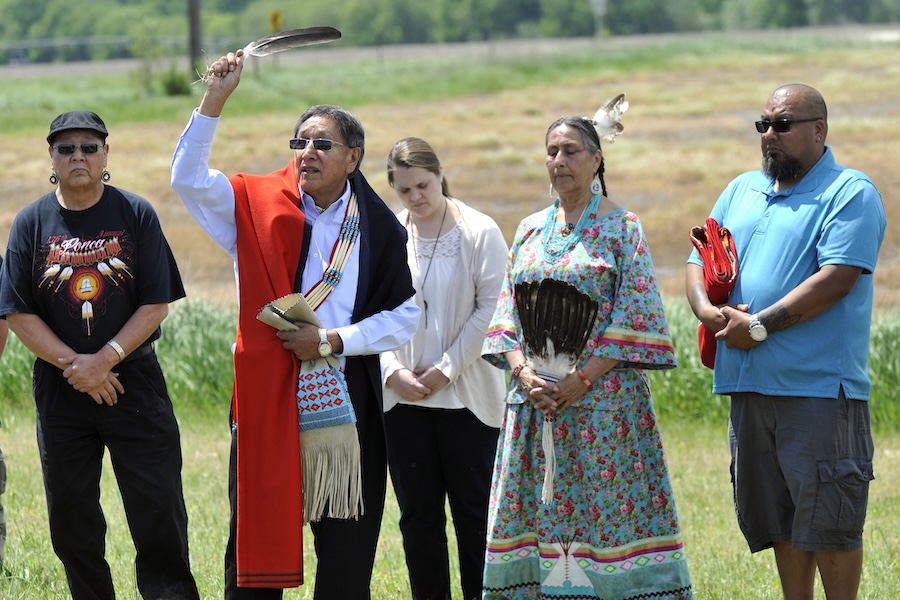
In 1877, the government forcibly removed over 500 members of the Ponca Tribe from their homeland in the Dakota Territory, marching them nearly 600 miles to present-day Oklahoma. The journey and harsh conditions led to many deaths, including Chief Standing Bear’s (Ma-chú-nu-zhe) daughter and son.
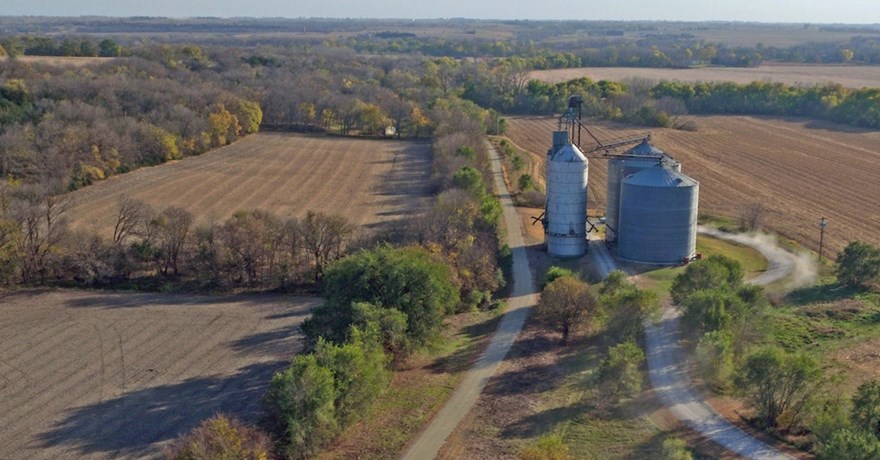
Two years later, Chief Standing Bear returned to their homeland to bury his son, but he was arrested upon arrival. He sued the federal government and won recognition that, under the 14th Amendment, he and his fellow Tribal members were citizens and entitled to constitutional protections. The 22.9-mile-long Chief Standing Bear Trail follows part of the route known as the Ponca Trail of Tears from Beatrice, Nebraska, to the Nebraska–Kansas border. The trail winds along the Big Blue River, where wildlife is abundant. A 230-acre section of the trail was dedicated to the Ponca Tribe of Nebraska, honoring their heritage.
Alabama’s Birmingham Civil Rights District
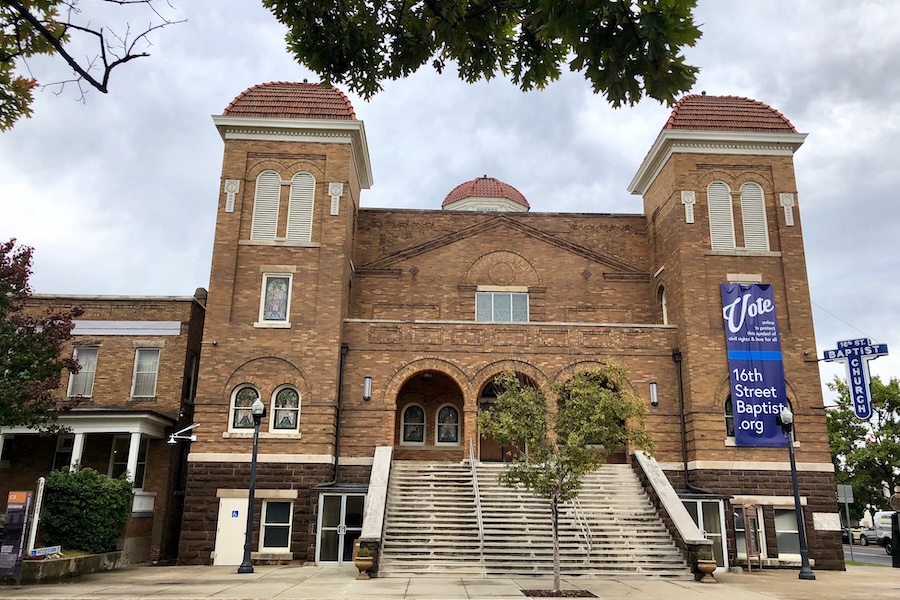
The Birmingham Civil Rights District was the epicenter of protests led by civil rights leaders, including Martin Luther King Jr., aimed at eliminating segregation laws and improving fairness in education and employment. The movement drew national attention as peaceful protests were sometimes met with force, yet these efforts led to the passage of the Civil Rights Act of 1964.
The developing Jones Valley Trail, part of the larger Red Rock Trail System, doesn’t run directly to the district, but you can follow the dedicated multiuse path into downtown Birmingham to Railroad Park. From there, connect to the Rotary Trail, an off-street route, and continue four blocks with brief sidewalk or on-street travel into the Civil Rights District. The Birmingham Civil Rights Institute is a worthwhile stop for understanding the events and people of this pivotal movement in American history.
This article was originally published in the Spring/Summer 2026 issue of Rails to Trails magazine and has been reposted here in an extended format. Subscribe to read more articles about remarkable trails while also supporting our work.

Donate
Everyone deserves access to safe ways to walk, bike, and be active outdoors.
Related
View All
Illinois’ Bloomingdale Trail: October 2026 Trail of the Month

A Pathway to Wellness: Exploring Trails as Lifelines for Mental Health