The Joyful Transformation of the American Landscape
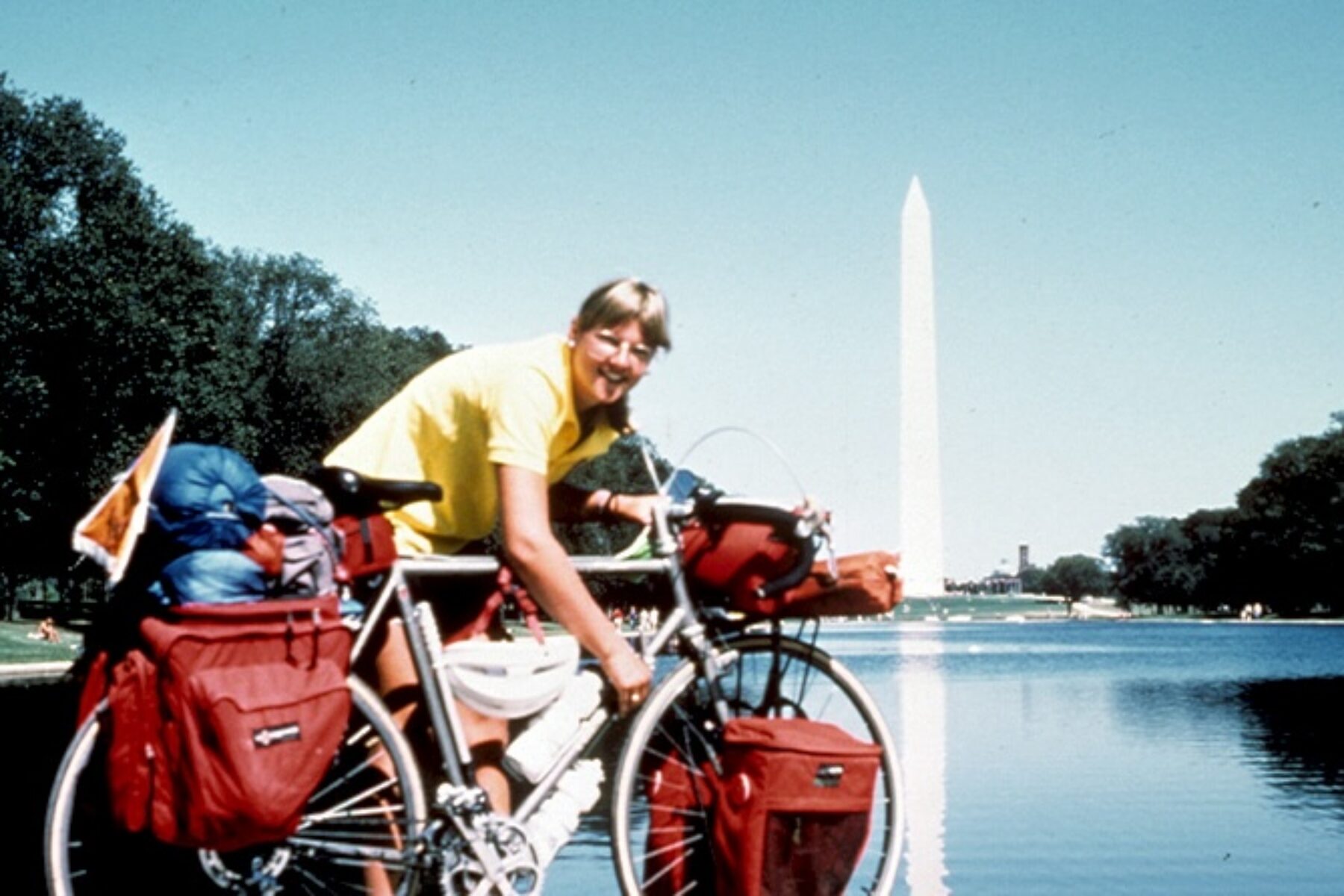
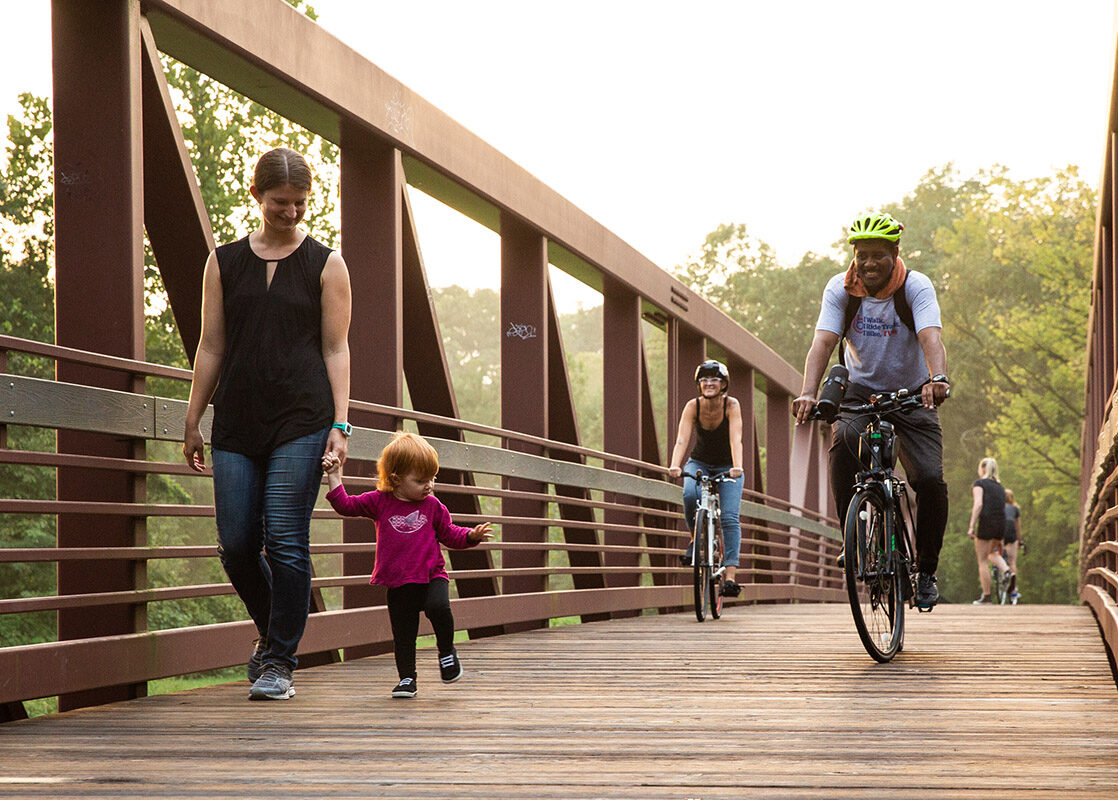
In the early 1980s, a series of events would make possible a different kind of future for the country—one where people can safely walk, bike and be active in the places where they live. A future where communities come together outside, close to home, and regional economies thrive because of the trails that serve them.
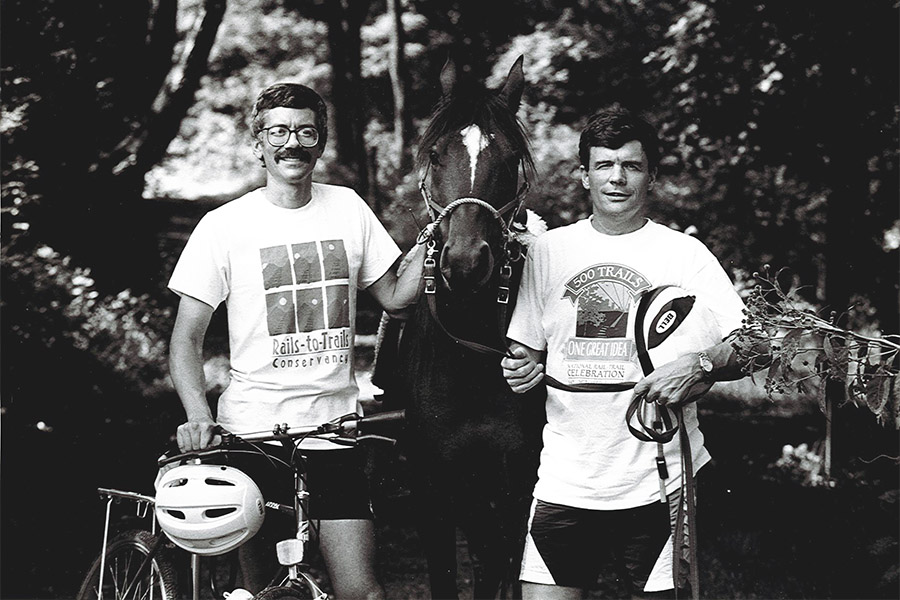
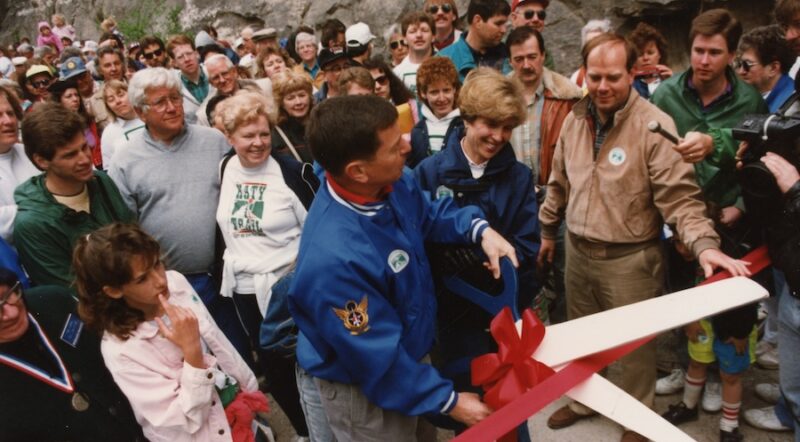
In February of 1986, Rails to Trails Conservancy opened its doors. Following several decades of local organizing around abandoned rail corridors and the 1983 passage of the Railbanking Act, the organization’s early leaders, including co-founders David Burwell and Peter Harnik, saw the incredible potential to preserve the country’s thousands of miles of disused railroad lines for a different purpose. Motivated by growing curiosity about rail-trails and demand for more spaces to walk and bike in nature from residents and civic and congressional leaders, RTC’s early vision was simple but bold: to transform as many disused railroad corridors into trails as possible.
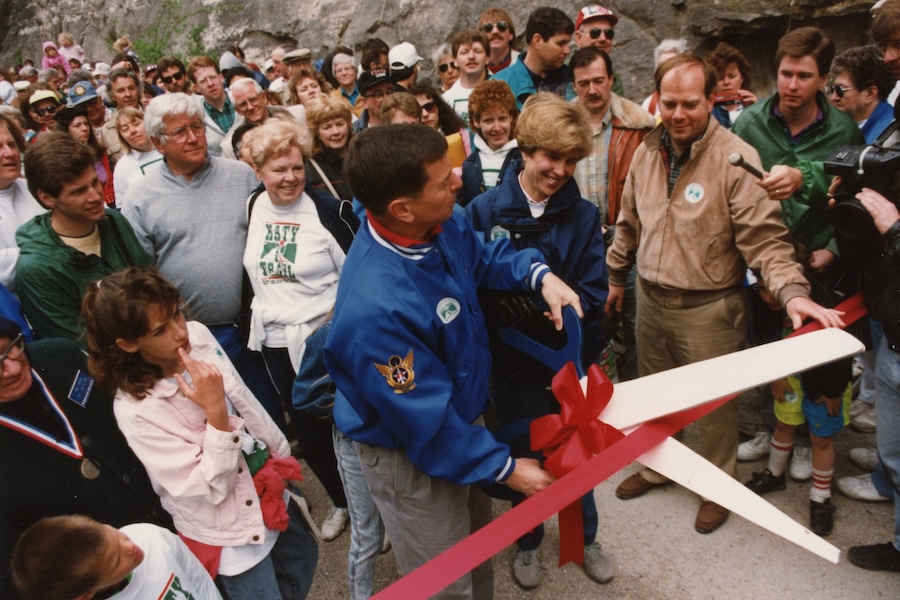

Since RTC was founded, we’ve worked side by side with partners at the local, state, regional and federal levels to advocate for and expand trail development, promote and encourage trail use, and protect trails in the courts. We became the first national voice for rail-trails and a powerful ally for all multiuse trails. In RTC’s early days, staff spent much of their time in communities—uncovering opportunities and building the public and political will to support emerging projects— an approach we hold true to this day, because a trail is only as successful as the community that supports it.

What began as a bold idea has grown into a defining piece of the American experience. More than 42,500 multiuse trails—the majority of them rail-trails—crisscross the country, connecting cities, towns and entire regions. And while what started as a grassroots venture has blossomed into a nationwide movement and robust sector focused on active transportation, the success of our work can most clearly be seen in how it transforms people’s lives and well-being.
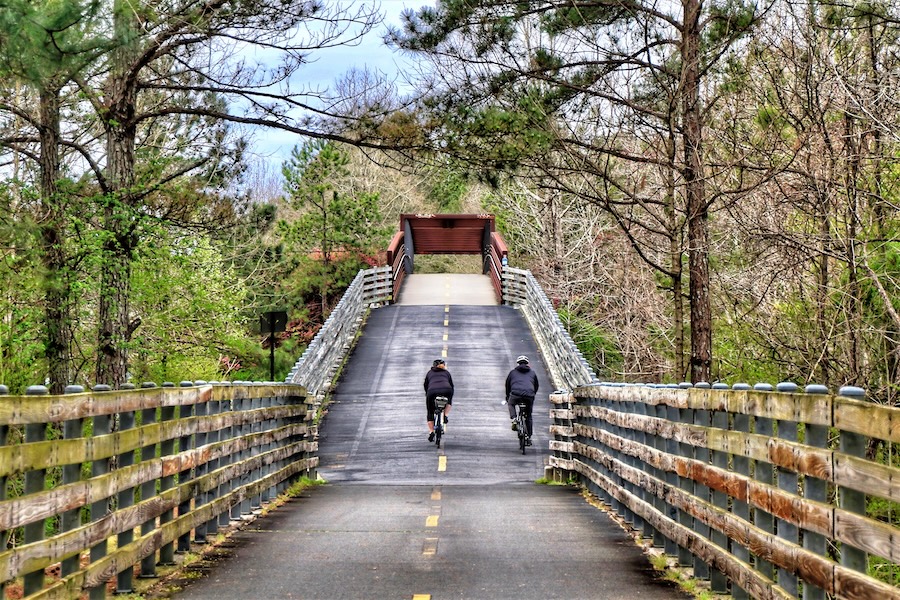
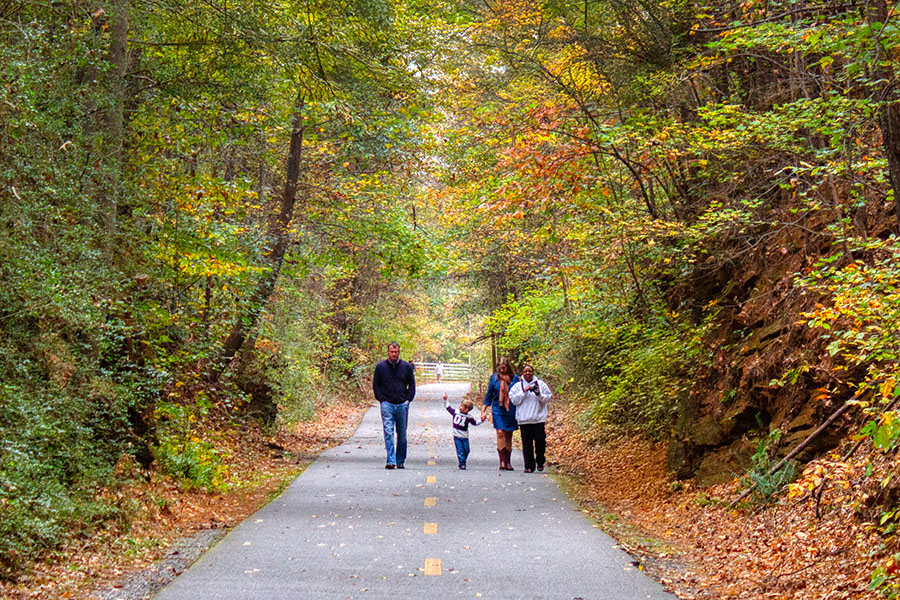
Trails are understood and valued as catalysts for economic progress, safe mobility and healthier lifestyles. Trails like the Silver Comet and Chief Ladiga trails connecting Georgia and Alabama led the way in trail development in the South and have become beacons of economic development and regional connectivity. Investments in projects like these are being leveraged for even bigger impact as trail networks grow across the country—including Florida’s Emerald Trail, spearheaded by RTC’s newest Rail-Trail Champion, Kay Ehas.
In our 40th year, we are deeply thankful for the tremendous support from our members, who make these achievements possible. Together, let’s celebrate our shared progress and take pride in how these transformational community assets have become part of the fabric of everyday American life. I want to thank every one of you for your service and invaluable contributions.

With gratitude,
Ryan Chao
President, Rails to Trails Conservancy
This article was originally published in the Winter 2026 issue of Rails to Trails magazine and has been reposted here in an edited format. Subscribe to read more articles about remarkable trails while also supporting our work.
Donate
Everyone deserves access to safe ways to walk, bike, and be active outdoors.