Toolkit for Generating Trail Tourism
Great Allegheny Passage (gaptrail.org) | Photo by Bradley Fisher, courtesy Laurel Highlands Visitors Bureau
Growing a Trail Tourism Ecosystem
Trails are an important contributor to the growing outdoor recreation economy, and a powerful asset in attracting people seeking outdoor-oriented destinations. Across the country, trail-based tourism presents incredible opportunities for communities of all sizes. As places become recognized as outdoor recreation destinations, they benefit from regional economic growth and enhanced quality of life for residents. Increased visitation and spending at nearby businesses, job creation and its associated wage and tax benefits, and the emergence of new amenities throughout the community are just several examples of ways trail tourism contributes to local economies.
Rails to Trails Conservancy created this toolkit as a practical resource to support communities as they prepare to welcome trail users and develop the amenities, partnerships and visitor services that support successful trail tourism. Whether your community has a trail segment that is still in development or already well loved by residents, you can take steps to strengthen tourism readiness and capture the economic and social benefits that trails offer.
And while the toolkit was developed with a focus on the communities along the route of the Great American Rail-Trail®—RTC’s signature project to develop the nation’s first cross-country multiuse trail—the guidance, tools and best practices included here are relevant to trail champions everywhere. Any community looking to attract visitors, improve user experience or strengthen the connection between trails and local economies can use this toolkit to advance its goals.
Your Trail Tourism Journey Starts Here
This toolkit is anchored in a “Trail Tourism Readiness Assessment” ” that helps users identify strengths, and opportunities, and associated resources and tools, along a continuum of progress for effectively promoting and marketing trails (and their communities) to visitors. We recommend you begin your toolkit exploration with the assessment so that you are directed to the strategies and resources to most effectively guide your community. If you want more context for how to use the Trail Tourism Toolkit before you take the assessment, read the “Diving In” chapter first.
(The assessment is formatted to print on 11×17” paper.)
Chapters of the Toolkit
This toolkit is designed for local leaders, trail professionals and advocates to gather insight, access tools and chart a path forward for leveraging trail-oriented tourism to achieve community goals. It is organized into chapters that explore each of the elements necessary for trail tourism success, offering guiding principles, approaches and real-world examples for you to bring the full scope of trail tourism to your community at every phase of your journey. After taking the readiness assessment, you can dive into the chapters that are most relevant to your community and your needs, or read the entire toolkit start to finish.
- Diving In: How To Use the Toolkit
- Advocacy for Trail Tourism
- Building a Trail Tourism Ecosystem
- Demonstrating Impact
- Funding Trail Tourism
- Developing a Regional Trail Tourism Identity
- Maintenance and User Experience
- Trail Tourism Marketing
- Organizational Capacity and Collaboration
- Fostering Stewardship and Belonging
Why Trail Tourism Matters on the Great American Rail-Trail
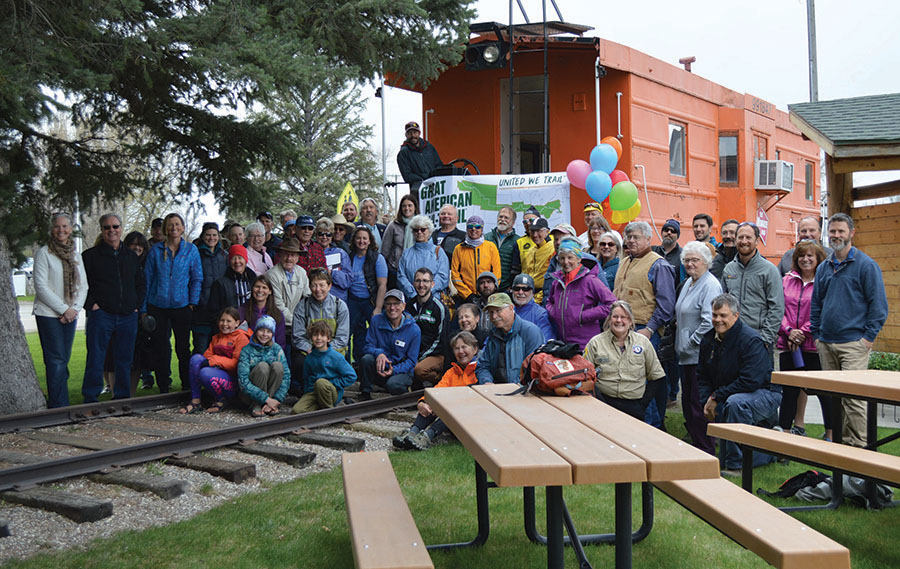
The developing Great American Rail-Trail is an iconic piece of American infrastructure that will connect thousands of miles of rail-trails and other multiuse trails, serving tens of millions of people living along the route as well as visitors from around the country and the world. The Great American Rail-Trail has the potential to become a signature national trail tourism asset, providing an incomparable way to experience the rich history, heritage and nature that make the country special. Today, the route is more than 55% complete, with new trail segments being completed all the time. As these new segments are opened and activated community by community, towns along the route of the Great American have a unique opportunity to leverage trail tourism to support local businesses, enhance community identity, increase overnight stays and build regional pride.
Because the Great American Rail-Trail is a cross-country destination in and of itself, it provides a strong example of how communities across the country of all sizes can benefit from trail tourism. Those with incomplete or developing segments can still benefit from an emerging regional trail and outdoor recreation brand, while learning more from neighboring communities at different phases of progress about how visitors will experience their trail and town.

*Portions of this toolkit were created using AI resources that were reviewed and confirmed by trail professionals.