Advocacy for Trail Tourism
Ryan Chao speaks near Capitol Building | Photo by Mariah Miranda Photography
Explore Other Toolkit Sections
- Diving In: How To Use the Toolkit
- Advocacy for Trail Tourism
- Building a Trail Tourism Ecosystem
- Demonstrating Impact
- Funding Trail Tourism
- Developing a Regional Trail Tourism Identity
- Maintenance and User Experience
- Trail Tourism Marketing
- Organizational Capacity and Collaboration
- Fostering Stewardship and Belonging
Breaking It Down | Action Plan | What’s Next | Case Studies
Securing Support and Generating Progress
Advocacy is fundamental to securing the support and investment from local, regional and state officials necessary to advance trail tourism efforts. Effective advocacy demonstrates that trails are not just recreational amenities—they are community assets that increase quality of life, catalyze tourism and strengthen the local economy. Strong messaging, clear evidence and trusted relationships with elected and appointed decision-makers can determine whether a trail is funded, supported and woven into regional priorities.
Defining Advocacy for Trail Tourism
The ability to influence decisions within political, economic and social institutions, including state tourism boards and destination marketing organizations (DMOs), to affect public policy, laws or budgets that support trail tourism. Effective advocacy depends on strong case making. If you do not yet have clear data or impact stories, explore the “Demonstrating Impact” section of the toolkit before advancing any major advocacy efforts.
Breaking It Down
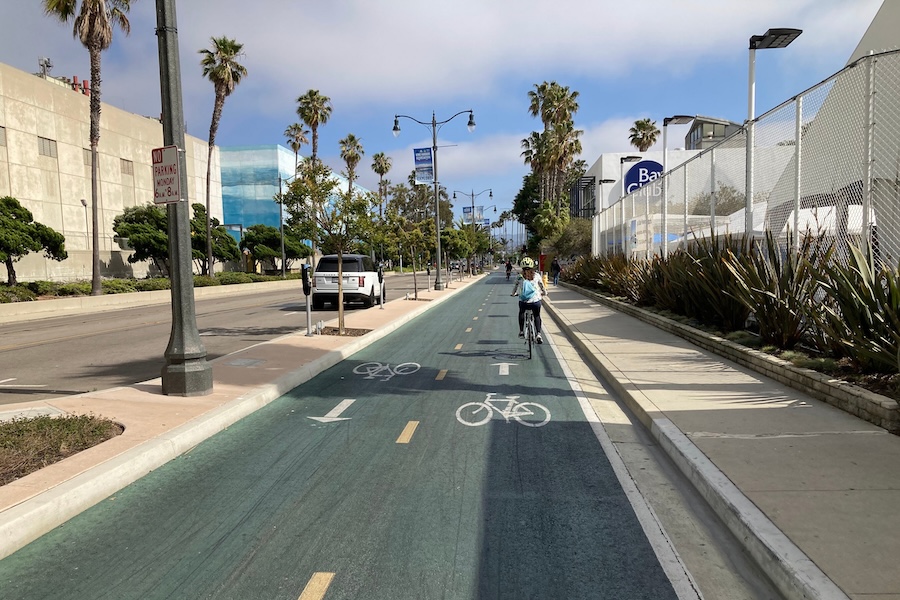
Key to successful advocacy is understanding the motivations and concerns of those making decisions that will either support or detract from the outcomes you seek.
Often, when decision-makers are skeptical about trail tourism, it is because they are not aware of the economic and quality-of-life benefits that it brings. When trails and accompanying tourism are not part of municipal, regional or state economic development strategies, decision-makers may hesitate to advance routes or approve funding. Communities with competing priorities may view trail investments as “nice-to-have” rather than essential.
The challenges of support-gathering are compounded when trails span multiple jurisdictions. What might seem like a straightforward improvement to increase trail tourism—such as adding signage, branding, maintenance or marketing—could require approval from multiple municipalities, metropolitan planning organizations (MPOs) or state agencies. Trail advocates frequently find themselves navigating unfamiliar bureaucratic processes or speaking to decision-makers who lack exposure to the tourism potential of trails.
Without data, trail tourism’s benefits are often invisible. You may be faced with claims that “no one uses the trail,” or concerns about the validity of a strategy that’s new and unfamiliar. Elected officials may question return on investment (ROI) without measurable visitation numbers or spending impacts. Without compelling evidence paired with clear messaging, it can be difficult for trail champions to build momentum or secure public and private support for long-term trail tourism initiatives.
It can further complicate matters when your advocacy extends beyond the trail to incorporate the range of amenities that are fundamental to successful trail tourism—including investments in lodging, restaurants, public art and other community-based resources that extend a message of welcome to residents and tourists alike. In some cases, this can feel like a distraction from the effort to create, connect and maintain trail infrastructure yet these types of resources can bring the potential of trail tourism to life for decision-makers, ultimately helping to support both trail development and regional tourism efforts.
Core Strategy
Build a broad, diverse base of support by framing trails and investments in tourism infrastructure as economic development assets that increase community quality of life. Use clear, consistent evidence to demonstrate the value of these assets.
Making It Actionable
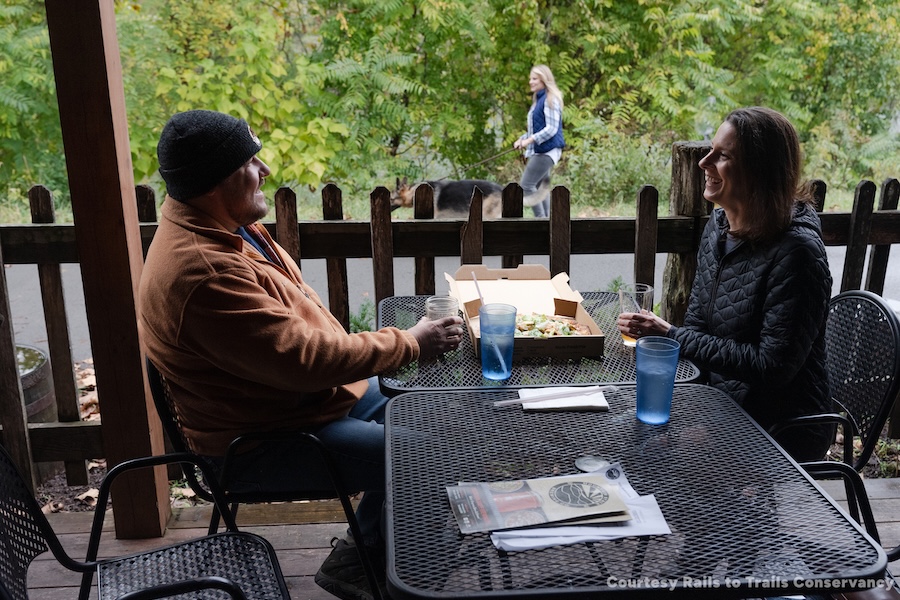
The following outlines a plan of action to build your advocacy strategy and generate deeper support for trail tourism approaches in your community.
1. Define Your Desired Advocacy Outcomes
The advocacy process starts with defining your goals and desired outcomes and identifying who can help you achieve them. For example, you may be seeking zoning or policy changes, funding for trail development or amenity upgrades, support for a trail-based event or programming, or help promoting a community-wide trail-based tourism campaign. You may be pursuing multiple outcomes at once. Knowing the specific challenge(s) you are addressing, and knowing who can help, are important first steps.
Sample goals and outcomes of the advocacy process:
- Legislation or policy support: Helping public and elected officials draft, lobby for and pass bills to support trail development and broader trail tourism efforts
- Community involvement: Facilitating public meetings to gather community input, integrate participants’ ideas and build support
- Promotion and messaging: Using public officials’ platforms to promote the benefits of trail tourism, including health and well-being, recreation and community engagement, and economic impacts
- Project collaboration: Coordinating among different departments, agencies and organizations to streamline planning and gain buy-in
- Funding acquisition: Identifying and applying for grants, donations or public funding to support trail development and trail tourism
Once you understand your desired outcomes, identify the key partners who need to know, believe or do something differently for you to make progress toward those goals.
Sending a Message That Trails Matter
Dig Deeper to build skills for talking about trails in ways that matter to your decision-makers in RTC’s Changemakers for Trails Training: Sending a Message That Trails Matter, Loud and Clear.
2. Know Your Audience
Sometimes when we think about advocacy, we focus first on the role of elected officials in shaping outcomes. However, a range of stakeholders might carry influence when it comes to trail tourism and it is important to understand the range of interests and needs they bring to the table. For example, local officials may prioritize economic development. Landowners may care about privacy and perceived safety, whereas tourism bureaus are focused on visitation and overnight stays.
Defining Audiences
Effective advocacy is directly tailored to your audience’s interests and addresses their concerns directly, as demonstrated in the audiences section of the toolkit. You can dig deeper, exploring activities in RTC’s “Engaging End Users” Master Class.
As you get to know your audiences, consider:
- What does this stakeholder value (jobs, revenue, health, placemaking)?
- Which trail tourism message resonates with those values?
- What objections or misconceptions exist, and what data-backed evidence can address them?
Building Relationships
Strategies for engaging a range of stakeholders vary, but especially when it comes to public officials. Explore RTC’s Building Relationships With Public Agencies and Officials resources for more advice on identifying and engaging local, regional and state government representatives. See RTC’s Trail-Building Toolbox section, Working with Regional Planning Organizations, for more guidance on engaging planning entities.
Here is a roundup of sample stakeholders, what they might prioritize, and messages that would be impactful to get you started.
| Audience | Priorities | Messaging |
|---|---|---|
| Government Officials and Policymakers | Economic development, budget constraints, constituent satisfaction, safety, community visibility | Emphasize how trail tourism increases visitor spending, supports local businesses, attracts workforce talent and improves community health. Frame requests in terms of ROI, economic impact and public benefit, not recreation alone. |
| Destination Marketing Organizations (DMOs) and Tourism Offices | Increase in visitors, revenue generated through tourism taxes (e.g., heads in beds), promotion of regional assets, media visibility, alignment with larger campaigns | Position the trail as a “market-ready” visitor attraction that enhances regional branding and reputation as a high-quality tourist destination. Illustrate opportunities for trail to lead to overnight stays and revenue generation. Highlight plug-in-play opportunities to integrate the trail into seasonal campaigns and other co-marketing opportunities. |
| Local Businesses | Increased customer traffic, workforce needs, generating revenue during slow seasons | Show how trail users and investment in tourism assets translate to new customers. Share simple data or examples of increased sales in other trail towns. Emphasize partnership opportunities, e.g., cross-promotions, trail-friendly practices, special events and sponsorship opportunities. |
| Landowners and Adjacent Property Owners | Privacy, trespassing, safety, noise, maintenance responsibility | Emphasize improvements in public safety, healthy lifestyle options and community pride. Address concerns directly by sharing safety data, planned signage, fencing upgrades, patrols and maintenance plans. |
| Parks and Recreation Departments | Maintenance workload, staffing constraints, long-term sustainability | Emphasize how trail tourism brings resources, volunteers and partnerships that maintain and improve the community’s natural resources. Highlight opportunities to integrate recreation programming into tourism activities. |
| Chambers of Commerce/Economic Development Organizations | Business vitality, workforce attraction, downtown activation | Position the trail as part of a broader outdoor recreation economy providing improved, safe, walkable access to local business districts. Elevate success stories of trail towns where trails and investments in the region’s tourism infrastructure revitalized business districts and supported entrepreneurship. |
| Public Health Departments and Health Care Partners | Community wellness, active living, chronic disease reduction | Frame the trail as preventative health infrastructure. Emphasize walkability, mental health benefits and opportunities for collaborative programming (e.g., wellness challenges, active transportation campaigns, etc.). |
| Volunteers and Trail Stewards | Recognition, manageable workload, clear direction | Emphasize the trail’s growing visibility, the importance of their role, and opportunities for leadership or ambassador positions. Show how advocacy and tourism bring new supporters and resources. |
| Regional Planning Agencies/MPOs | Connectivity, transportation outcomes, alignment with plans and community goals | Highlight how the trail supports regional mobility, safe routes, multimodal transportation goals and economic development clustering. Frame trail tourism impacts as part of broader regional growth. |
Action Item:
List your top three stakeholders who can help advance your projects through support or investment (e.g., mayor, council members, chamber, MPO). For each, consider the following:
- Identify the Opportunity: What’s their current perception? How do they get information? Who or what influences them?
- Insight: What else do they care about? What could motivate them?
3. Build a Clear, Consistent Story About the Trail’s Value
Advocacy is more effective when everyone on your team uses the same talking points. A clear narrative helps counter skepticism and keeps your message focused on the benefits most relevant to your audience, rather than trail operations alone. Lead with outcomes, not needs. For example, “This project will increase downtown spending and support our local businesses by showing people on the trail where to go in the community” is more compelling than “We need signage funding.”
Key elements of a trail tourism narrative:
- What is the current state of tourism in our community? Who visits now? What’s missing or underperforming?
- What role does the trail play today? What is its existing use? What is the trail’s visibility? What is the trail’s connection to local places?
- What could the trail become? How could enhanced access, amenities, branding or programming strengthen tourism and the local economy?
- Who benefits (e.g., residents, visitors, businesses, workers, the broader community)? How?
- What evidence supports this story (e.g., basic data, comparable examples, testimonials, early indicators of demand)?
- What support is needed now (e.g., policy alignment, funding, partnerships, approvals tied directly to outcomes)? Why?
Action Item:
Explore the following questions to help you develop the single most compelling thing you can say to engage your audience:
- Why should your audience care? (Emphasize how your project helps them and supports their interests.)
- How can you directly address your audience’s concerns?
- How can they take action in a way that aligns with their level of support for the project?
4. Use Strategic Data to Strengthen Your Case
Trail leaders often worry they don’t have enough data to support their advocacy efforts, but even basic numbers can shift perceptions. A simple trail count, a volunteer-led intercept survey or Google Maps visitation estimates can counter claims like “no one uses this trail” or “no one would use a trail.”
While helpful, your community does not need a formal economic impact study to advocate successfully. Consistent, believable indicators, especially when paired with stories, are often enough to counter claims like “no one uses the trail” or “this won’t benefit our community.” In advocacy settings, the most effective data points are those that are easy to understand, directly tied to economic or community outcomes and credible and repeatable.
Examples include:
- Simple trail use indicators (e.g., counts, growth trends, peak use observations) from existing trails in the community or nearby communities
- Visitor origin information by zip code, to identify local vs. non-local users
- Business anecdotes or testimonials (e.g., “we see more weekend customers from the trail”)
- Event participation or program attendance numbers
- Basic visibility metrics (e.g., social media engagement, map scans, website visits)
Action Item:
Visit the “Case Making and Demonstrating Impact” section of this toolkit for tips and methods for starting and advancing your data collection efforts, including detailed guidance on collecting, analyzing and packaging trail tourism data.
Measuring Economic Potential
If your trail lacks local data and falls along the Great American Rail-Trail®, you can cite the statewide and national numbers created for annual visitor spending as part of the Economic Potential of the Great American Rail-Trail to ground your message in a national context. This data can also be cited as reference data even if you’re not along the trail’s route.
5. Activate Champions and Build Coalitions
Advocacy is strongest when it is shared, but not all voices carry the same weight in decision-making spaces. The most important question is not “Who supports the trail?” but “Who can credibly speak on behalf of the trail to decision-makers?”
Effective champions are trusted messengers whose perspectives are respected by elected officials, agency staff and institutional leaders. Their voices often augment and add impact to the advocacy work of local trail organizations.
A well-constructed coalition expands your reach, reinforces your message and demonstrates that trail tourism is not a niche interest, but a broadly supported community priority. A coalition can help with messaging, public meetings, letters of support and amplifying your story. The Maryland Department of Transportation published a helpful guide on building coalitions for trails, from friends’ groups to bicycle and pedestrian and trail advocacy organizations, local government officials and business owners.
Potential champions:
- Small business owners benefiting from trail traffic—Small businesses are becoming vocal champions along the Ecusta Trail, a developing multiuse greenway in North Carolina.
- Area employers promoting outdoor amenities to attract workers—The Industrial Heartland Trail Coalition’s “Heart of our Community” video features voices from business owners and community members speaking to the value of trail tourism amenities from an employee attraction perspective.
- Public health departments linking trails to wellness goals—Pennsylvania Secretary of the Department of Conservation and Natural Resources Cindy Adams Dunn notes the link between trails and improved mental and physical health.
- Tourism bureaus seeking new visitor experiences—The Nebraska Game and Parks Commission highlights the Cowboy Recreation and Nature Trail as the adventure of a lifetime.
- Volunteers and residents with personal testimonials—Miranda Webster is an advocate, outdoor blogger and YouTuber who grew up outside of Washington, D.C., and currently resides in Washington State. Her video elevates and personalizes the value of the cross-country vision of the Great American Rail-Trail.
- Elected officials who are trail users themselves—Former Baltimore City Councilman Leon Pinkett discusses how direct community engagement by elected officials helps trail networks gain support and make progress.
The most effective champions speak in their own words and from their own experience, reinforcing your advocacy messages without sounding scripted or self-interested.
Action Item:
Identify three potential champions who could speak on behalf of the trail. Think beyond the regular cadre of trail users who are visible and show up to events and meetings. Provided with the right information, who can most effectively reach the right decision makers? Schedule one introductory meeting to share your goals and ask how the trail can support their priorities.
6. Engage Decision Makers Early and Often
Decision makers, partners and stakeholders are likely not thinking about your trail as often as you are. They’re juggling competing priorities, responding to immediate demands and navigating political, financial or operational pressures. Even decision makers who support your work are unlikely to have your trail top-of-mind without consistent, intentional communication. Effective advocacy starts with understanding who you’re speaking to, what they care about and how your trail aligns with their needs.
Rather than leading with trail terminology or operational details, frame your message in terms of the outcomes that matter most to your audience, whether it’s economic growth, community well-being, visitor attraction or safe, accessible recreation. When your message speaks directly to their priorities, your trail becomes relevant, memorable and easier to champion.
Strategies that work:
- Quarterly briefings with municipal/county leaders
- Guided trail corridor connection walks for elected officials, like Cuyahoga County’s Bike-with-a-Mayor ride
- Presentations at chamber or rotary meetings
- Provision of talking points before council votes or budget sessions
- Invitations to ribbon cuttings, events and media opportunities
- Curated field trips to nearby communities with successful trails and related tourism infrastructure
Consider what aspects of your trail could benefit from advocacy support. Is there a nearby destination that could serve as a model for your community leaders to experience? Bonus points if you can frame your trail needs in a way that solves a problem your decision makers are having or speaks to a priority they care about.
The following are examples of ways to effectively frame your conversation about trails for decision makers, based on their priorities.
| Decision-Maker Priorities | How to Frame the Trail as a Solution |
|---|---|
| Downtown businesses are struggling to attract customers. | Improved trail access, wayfinding and amenities bring locals and new visitors directly into business districts, increasing foot traffic and spending. |
| The community is trying to attract and retain a younger workforce. | Trails offer the high-quality outdoor amenities that job seekers and young families look for when deciding where to live and work. |
| Residents are concerned about safety on local roads. | Trail improvements and connections provide safe, separated spaces for walking and biking, reducing conflicts with vehicles and improving community safety. |
| City leaders need more positive press and community “wins.” | Trail enhancement projects (e.g., signage, art, events) are highly visible and popular, providing fast, feel-good successes with broad public support. |
| Health care partners and public health officials want to promote active living. | Trails are free, accessible health infrastructure that support daily physical activity, reduce chronic disease risk and strengthen community well-being. |
| Tourism agencies need fresh, marketable visitor experiences. | A well-branded trail with itineraries and photo-worthy destinations creates new tourism products for regional marketing campaigns. |
| Local residents feel disconnected from downtown or civic spaces. | Trails improve connectivity and provide simple, welcoming routes that encourage residents to explore and engage with their community. |
| Budget constraints limit new capital projects. | Trail projects can leverage external funding (e.g., state and federal grants, philanthropy, sponsorship) to reduce the burden on local budgets. |
| Elected officials hear complaints about quality of life or lack of amenities. | Enhancing the trail system offers an affordable, high-impact improvement that increases community pride and overall livability. |
| Regional planners want to strengthen transportation options. | Trails support multimodal transportation goals, reduce local trips by car and improve regional mobility. |
| Seasonal tourism is declining or too concentrated in one season. | Trails diversify tourism offerings and extend visitation into shoulder seasons through events, itineraries and unique experiences. |
| The community suffers from overtourism. | Trails offer visitors an opportunity to explore the community without adding to vehicle traffic and emissions. |
| Older adults and accessibility advocates are concerned about equitable recreation. | Trails offer no-cost, universally accessible spaces that support aging in place and inclusive outdoor access. |
| Municipal staff need simpler maintenance patterns and fewer complaints. | Thoughtful trail improvements (e.g., lighting, signage, seating) reduce user confusion, improve safety and decrease calls for service. |
What’s Next?
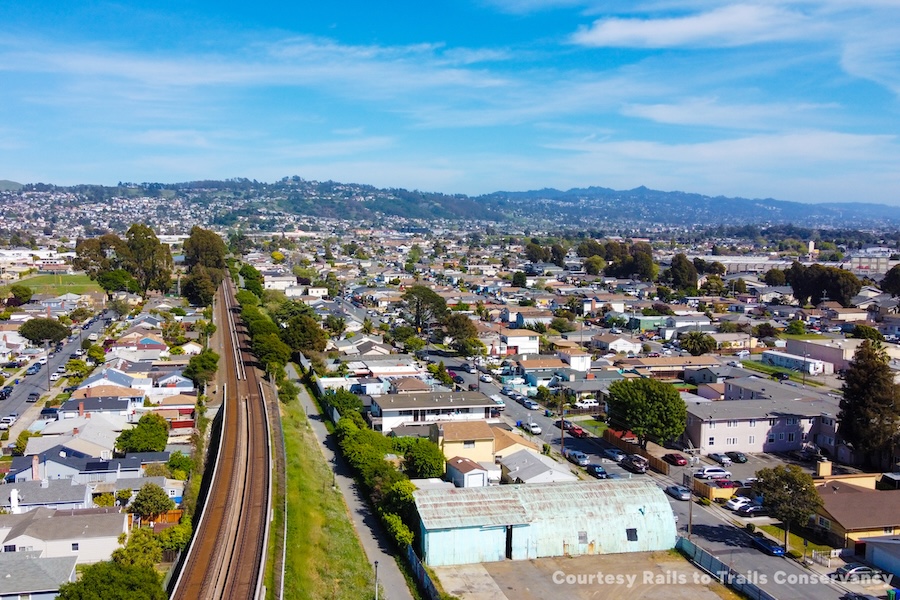
The following are suggested next steps to improve trail tourism advocacy, organized by trail tourism readiness level. Use the “Trail Tourism Readiness Assessment” tool to identify the phase that aligns with your community.
In Development
Conditions: Elected officials may not yet see your trail’s potential.
Advocacy Focus: Focus on building awareness, credibility and shared vision.
Next Steps:
- Conduct informal meetings with local leaders to introduce the trail concept and its potential economic impact, including how investments in trail tourism infrastructure raise the profile of all tourism in the region.
- Share examples of successful trail tourism from comparable communities.
- Recruit one or two early champions among the business community, elected officials or civic groups.
- Begin collecting basic data and testimonials to build your case.
- Attend council and board meetings to stay visible and informed.
Local Favorite
Conditions: Your trail exists, but decision makers may not yet view it as an existing or potential economic driver.
Advocacy Focus: Build your case with easily obtainable data and clear, relevant rationale.
Next Steps:
- Develop simple, consistent talking points highlighting the trail’s benefit to local businesses and residents.
- Present a short, regular “Trail Report” with basic data (e.g., counts, events, visitor stories, etc.). Pennsylvania’s Heritage Rail-Trail regularly produces a trail user survey and economic impact analysis that can be a helpful tool.
- Engage local chambers, convention and visitor bureaus, and tourism offices as advocacy partners.
- Invite decision makers for site visits to experience the trail firsthand.
- Identify low-cost improvements that visibly enhance the trail tourism experience (e.g., signage to connect users from the trail to restaurants, lodging and other local businesses).
Regional Destination
Conditions: Your trail is functioning well, but you need stronger policy support and sustained investment.
Advocacy Focus: Build a broad cross-sector coalition to expand support, secure funding and position the trail as essential regional infrastructure.
Next Steps:
- Formalize an advocacy coalition (e.g., business, health care, tourism, parks).
- Develop a legislative agenda (e.g., signage policy, funding mechanisms, maintenance support).
- Provide decision makers with short, high-quality impact summaries.
- Host annual events or briefings that keep the trail top-of-mind.
- Advocate for integration of the trail into regional tourism and active transportation plans.
National Destination
Conditions: Your trail is a recognized asset. Conditions are in place for it to remain an asset for years to come.
Advocacy Focus: Focus on long-term political support, funding stability and national leadership.
Next Steps:
- Build relationships with state and federal decision makers.
- Advocate for dedicated funding streams, multiyear agreements and policy changes that support trail tourism statewide.
- Share your success broadly to inspire other communities and elevate national recognition.
- Use advanced data tools to monitor impact and guide policy conversations.
- Position your trail as a model in outdoor recreation, sustainability and economic development.
Case Studies
Building Support Through Strong Data—Great Allegheny Passage
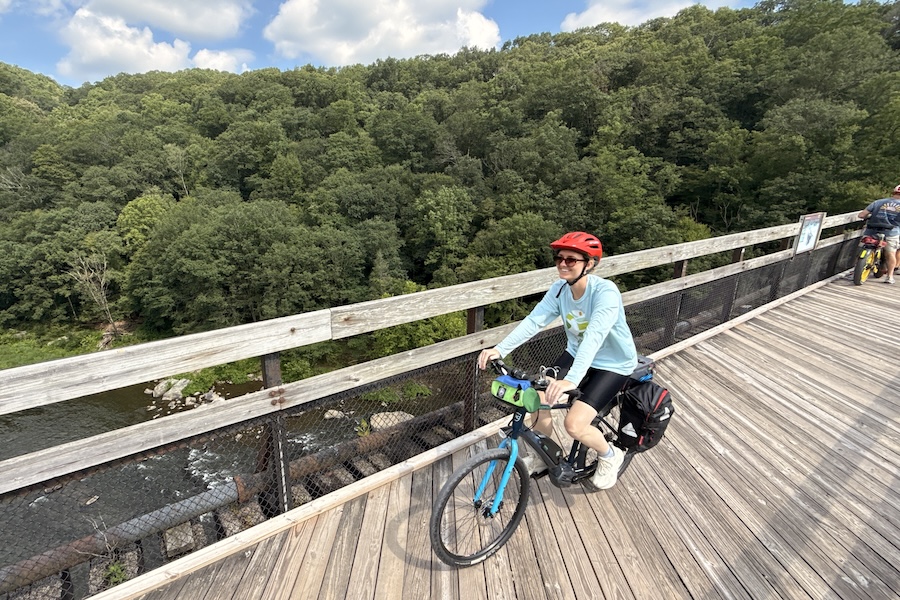
Strong, data-based storytelling can generate ongoing support for trail tourism efforts from stakeholders who may not yet be aware of the incredible economic and quality-of-life benefits your trail can bring.
This was true for the Great Allegheny Passage (gaptrail.org) in Pennsylvania and Maryland. An impact study commissioned by the GAP Conservancy in 2021 showcased the immense tourism revenue generated by a complete, connected trail system. By converting abandoned rail corridors into a continuous, high-quality, 150-mile recreational amenity, the GAP created a destination capable of supporting multiday trips and attracting a regional and national audience. The most compelling impact data is the visitor spending: overnight users on the trail spend an average of $124 per day, while single-day users spend an average of $18 per day. With annual use exceeding 850,000 visitors, this spending is critical to the economic health of the small towns along the route.
This economic impact is particularly transformative in the rural communities of southwestern Pennsylvania and Western Maryland, which suffered from the decline of the coal and steel industries. The GAP Trail’s success in attracting high-value amenities (such as bed-and-breakfasts, bike shops and restaurants) and driving tourism spending in these communities demonstrated the trail’s ability to serve as a catalyst for economic revitalization.
This success story provides robust, quantitative evidence that can be used by other trail leaders looking to secure funding and counter skepticism by proving the financial return on investment.
Route of the Badger Field Trip Builds Political Will and Coalition Connection
The Route of the Badger is Southeast Wisconsin’s envisioned 700-mile trail network connecting people and communities with physical activity, tourism and the area’s vast natural resources.
To grow support for the network’s critical 30th Street Trail connection, members of the Route of the Badger coalition (including several key elected leaders) journeyed to Detroit’s Dequindre Cut Greenway in June 2022. By visiting a region with a similar view on trails, including how trails can connect previously disconnected communities, the coalition was able to better understand the importance of completing the trail.
While on the trip, the group experienced the popular “Soul Roll”, a weekly slow ride through Detroit that has increased awareness of, and support for, the local trail system. The coalition returned to Milwaukee excited to start their own Soul Roll program, which since has highlighted the 30th Street Corridor and grown support for the trail by area decision-makers.